
A standard empty 40ft shipping container typically weighs around 8,554 lbs. This is called the tare weight. Actual tare weight can vary by manufacturer, container type, condition, and modifications.
40ft Shipping Container Weight: Empty, Loaded & Tare Weight Guide
40ft Shipping Container Weight – Empty vs. Loaded
A 40ft shipping container is one of the most widely used container sizes for storage, shipping, equipment, business inventory, jobsite materials, and custom modifications. Before buying, renting, loading, or placing one, it is important to understand how much a 40ft container weighs empty, how much it can hold, and how container type can affect the final weight.
In most cases, a standard empty 40ft shipping container has a tare weight of about 8,554 lbs, while its maximum gross weight is approximately 67,200 lbs. That means the container can typically carry a payload of about 58,600 lbs, depending on the specific unit, manufacturer plate, condition, and modifications.
Always check the container’s CSC plate, manufacturer specifications, and local transport rules before loading or moving a container. Actual weight ratings can vary by container type, age, build, and modifications.
Key Takeaways
- A standard empty 40ft shipping container typically weighs around 8,554 lbs, also called tare weight.
- The maximum gross weight of many 40ft shipping containers is approximately 67,200 lbs, including the container and its cargo.
- A standard 40ft container can often carry a payload of roughly 58,600 lbs, depending on the exact container rating.
- High cube containers, refrigerated containers, open-side containers, insulated containers, and modified containers can have different tare weights.
- Conexwest provides multiple 40ft container options for purchase, rental, storage, refrigeration, mobile office use, and custom fabrication.
Dimensions of a 40ft Shipping Container
A standard 40ft shipping container is designed for general cargo, storage, and transport. Exact dimensions may vary slightly by manufacturer and container condition, but standard 40ft containers generally follow the measurements below.
Dimension | Measurement |
| External Length | 40 ft |
| External Width | 8 ft |
| External Height | 8 ft 6 in |
| Internal Length | Approximately 39 ft 6 in |
| Internal Width | Approximately 7 ft 8 in |
| Internal Height | Approximately 7 ft 10 in |
| Door Width | Approximately 7 ft 8 in |
| Door Height | Approximately 7 ft 5 in |
| Conexwest offers new, used, and refurbished shipping containers in multiple sizes, including 10ft, 20ft, 40ft, and 45ft options. Customers can explore standard storage containers, high cube containers, refrigerated containers, insulated containers, mobile office containers, and custom fabrication options. |
Weight of an Empty and Loaded 40ft Shipping Container
The weight of an empty 40ft shipping container is called the tare weight. A standard empty 40ft container typically weighs around 8,554 lbs, or about 3,880 kg. This includes the steel structure, roof, floor, doors, corner castings, and standard container components.
The maximum gross weight is the total maximum weight of the container plus the cargo inside. Many standard 40ft shipping containers have a maximum gross weight of approximately 67,200 lbs, or 30,480 kg.
The payload capacity is the maximum cargo weight the container can carry. With an empty weight of about 8,554 lbs and a maximum gross weight of about 67,200 lbs, the payload capacity is approximately 58,600 lbs. Actual payload capacity should always be confirmed on the specific container’s data plate.
| Weight Term | Approximate Weight | What It Means |
|---|---|---|
| Tare weight | 8,554 lbs | Weight of the empty 40ft container |
| Maximum gross weight | 67,200 lbs | Maximum total weight of container plus cargo |
| Payload capacity | About 58,600 lbs | Approximate maximum cargo weight |
Factors Affecting the Weight of a 40ft Shipping Container
- Container Height: A 40ft high cube container is one foot taller than a standard 40ft container. Standard containers are typically 8 ft 6 in tall, while high cube containers are typically 9 ft 6 in tall.
- Manufacturing Period: Older shipping containers may weigh more or less than newer containers depending on the steel design, floor construction, manufacturer, and repair history.
- Container Type: Refrigerated containers, insulated containers, open-side containers, double-door containers, and mobile office containers can all have different tare weights because of added equipment, doors, insulation, walls, HVAC, or other components.
- Modifications: Custom features such as shelving, roll-up doors, windows, insulation, electrical systems, HVAC, plumbing, and interior framing can increase the overall weight of the container.
- Condition and Repairs: Repairs, replacement floors, reinforced sections, or added structural components may change the container’s actual weight.
Types of 40ft Shipping Containers
Conexwest offers several types of 40ft containers for storage, business, construction, refrigeration, office, and custom use.
- 40ft Shipping Container: This standard container is designed for general cargo transport and storage. It is built from durable steel for security and weather resistance.
- 40ft Mobile Office Container: This container is customized for office use and may include insulation, electrical outlets, HVAC, and workspace features. It is commonly used for jobsites, temporary offices, and field operations.
40ft High Cube Shipping Container: A 40ft high cube shipping container is ideal for storing or transporting taller goods because it provides one extra foot of vertical space compared with a standard-height container.
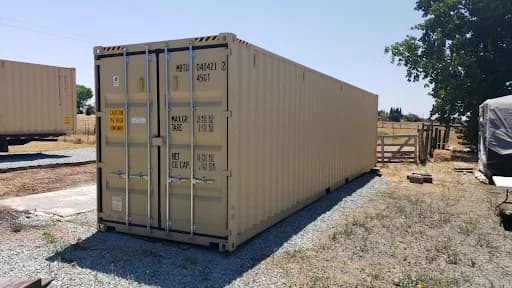
A 40ft high cube shipping container is one foot taller than a standard 40ft container.
- 40ft High Cube Shipping Container with Doors on Both Ends: This double-door container provides access from both ends, which can make loading, unloading, and inventory separation easier.
- 40ft High Cube Open Side Container: A 40ft high cube open side container has doors along the side wall, making it useful for bulky items, retail setups, event use, and equipment access.
- 40ft Insulated Shipping Container: A 40ft insulated shipping container is lined with insulation to help reduce temperature swings for items that need more stable interior conditions.
- 40ft High Cube Refrigerated Container: A 40ft refrigerated container is used for temperature-controlled storage and transport of items such as produce, food, beverages, flowers, and pharmaceuticals. Refrigerated containers include refrigeration equipment, so their tare weight differs from standard dry containers.
Standard vs. High Cube 40ft Container Weight
A 40ft high cube container is taller than a standard 40ft container, which means it typically has slightly more steel and a different overall tare weight. The main difference is height: a standard 40ft container is typically 8 ft 6 in tall, while a 40ft high cube container is typically 9 ft 6 in tall.
The extra height makes high cube containers useful for taller cargo, stacked inventory, equipment storage, and modified container projects. However, the taller profile may also affect delivery clearance, site planning, wind exposure, and total weight depending on the unit.
Use Cases of 40ft Shipping Containers
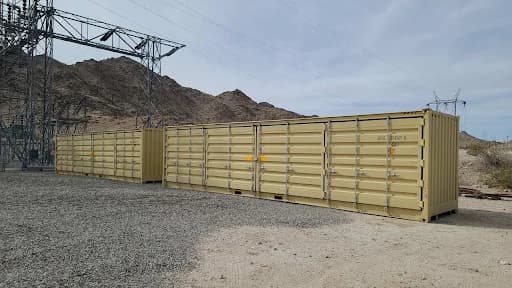
40ft containers are commonly used for storage, business operations, temporary offices, equipment, retail, events, and custom container projects.
- Storage Solutions: 40ft shipping containers are commonly used for on-site storage of tools, equipment, materials, inventory, documents, and personal belongings.
- Construction and Jobsite Storage: Contractors use 40ft containers to store tools, equipment, parts, and materials close to the work area.
- Pop-Up Shops: Entrepreneurs can transform 40ft containers into mobile retail spaces, brand activations, or portable sales units.
- Housing and Accommodation: With proper design, engineering, permits, and modifications, 40ft containers can be converted into housing units, vacation cabins, or temporary accommodations.
- Office Spaces: Mobile office containers can be equipped with insulation, electrical systems, HVAC, desks, lighting, and other features for temporary or remote workspaces.
- Event Spaces: Modified 40ft containers can be used for events, festivals, exhibitions, ticket booths, storage, concessions, or branded installations.
- Emergency Response: In disaster recovery or emergency operations, containers can support temporary storage, field offices, supply distribution, or shelter-related logistics.
- Mobile Cafes and Food Service: With the right design, permits, utilities, ventilation, and food-service equipment, 40ft containers can be modified for cafes, kitchens, or food stalls.
- Art Studios and Galleries: Artists and organizations may use containers as studios, galleries, workshops, or mobile exhibition spaces.
- Classrooms and Training Spaces: Modified containers can be used as mobile classrooms, training rooms, or temporary education spaces when properly equipped.
- Agricultural Uses: Farms and agricultural businesses use 40ft containers for tool storage, feed storage, mobile farm stands, controlled environments, and equipment protection.
Choosing the Right 40ft Container for Your Project
Weight is only one part of choosing the right 40ft container. You should also consider access, height, insulation, temperature control, loading method, placement space, and whether the container needs modifications.
| Project Need | 40ft Container Type to Consider |
|---|---|
| General storage | 40ft standard shipping container |
| Extra vertical space | 40ft high cube shipping container |
| Access from both ends | 40ft high cube double-door container |
| Large side access | 40ft high cube open side container |
| Temporary office or jobsite workspace | 40ft mobile office container |
| Temperature-sensitive storage | 40ft refrigerated container |
| Reduced temperature swings | 40ft insulated container |
Choose Conexwest for Your 40ft Shipping Container Needs
At Conexwest, we offer shipping containers in sizes from 10ft to 45ft, including multiple 40ft container options for sale, rent, storage, refrigeration, mobile offices, and custom use.
- Extensive Selection of Containers: Our inventory includes standard, high cube, refrigerated, insulated, and specialized containers like mobile offices. We also offer new, used, and refurbished container options depending on availability.
- Customization Options: Through container fabrication, you can modify your container with windows, doors, insulation, electrical systems, HVAC, shelving, custom paint, and other features.
- Rental and Purchase Options: Customers can explore shipping containers for sale or rental options depending on project timeline, budget, and use case.
- Delivery Support: Conexwest can help coordinate container delivery based on container size, site access, placement needs, and available delivery options.
- Expert Support: Our team can help you compare container types, understand size and weight considerations, and choose the right unit for your project.
Explore 40ft shipping containers and choose the right unit for your project.
```
Was this helpful?
Frequently Asked Questions
A standard 40ft shipping container often has a maximum gross weight of about 67,200 lbs and a payload capacity of about 58,600 lbs. Always check the specific container’s data plate before loading.
The main difference is height. A standard 40ft container is typically 8 ft 6 in tall, while a 40ft high cube container is typically 9 ft 6 in tall. The high cube version provides one extra foot of vertical space.
A 40ft shipping container can store or transport industrial equipment, construction materials, furniture, retail inventory, agricultural products, tools, documents, vehicles, jobsite materials, and household goods. Refrigerated or insulated containers are better for temperature-sensitive items.
Yes. Refrigerated containers typically weigh more than standard dry containers because they include refrigeration equipment, insulation, and additional components. Check the specific unit’s data plate for actual tare weight and payload capacity.
A shipping container can last many years with proper care, maintenance, drainage, and rust prevention. Lifespan depends on age, condition, climate, use, placement, and maintenance.
Insulated containers help reduce temperature swings inside the container. They are useful for goods that need more stable interior conditions but do not necessarily require active refrigeration.
Yes. You can customize your container with shelving, windows, doors, insulation, electrical wiring, HVAC, custom paint, and other modifications depending on your project needs.