
Yes, but it's harder. With credit scores under 620, expect higher rates (2–5% above standard) and bigger down payments (25–35%). FHA loans are most flexible for lower scores, accepting 580 minimums with 10% down for container homes with permanent foundations. Other options include seller financing, private lenders, or getting a co-signer with better credit.
How To Finance a Shipping Container Home in California: Guide
California Shipping Container Home Financing Guide
Key Takeaways
- Container homes in California cost $10,000 to $175,000 based on size and features, way less than regular houses.
- FHA, conventional, and VA loans work for container homes that have permanent foundations and meet building codes.
- Construction loans, personal loans, and seller financing give you options when regular mortgages won't work.
- Getting permits and dealing with zoning laws affect your financing options, and costs vary a lot by county.
- At Conexwest, we provide California-compliant containers so that you can start building your shipping container home.
California Container Home Costs
Container homes make sense in California's crazy expensive housing market. With regular homes averaging over $800,000 statewide, containers offer a real alternative. Most container homes here run from $10,000 for a basic single container to $175,000 for fancy multi-container designs. That's huge savings compared to regular houses.
Where you build matters big time for your budget. Coastal areas like Los Angeles and San Francisco have higher land costs and tougher building codes, which can add 20–30% to your project compared to inland spots like Riverside or Fresno.
What you need to finance depends on how ambitious your design is. A simple, self-built container home might only need $40,000 in financing. But architect-designed container mansions with multiple units and high-end finishes could need loans similar to regular construction.
Conexwest, a leader in shipping and storage solutions based in Northern California, offers new, used, and refurbished containers from 10ft to 45ft, with fast delivery within 3–7 days and container fabrication options like adding shelves and locks. We serve over 10,000 customers nationwide, including prestigious clients like the U.S. Navy and Google. As an ISO 9001 and AWS-certified company, we ensure top quality and competitive pricing. |
Traditional Mortgage Options
The big question lenders ask is whether your container home counts as "real property" or "personal property." For lenders, this comes down to whether your container has a permanent foundation, meets local building codes, and looks and functions like a traditional house.
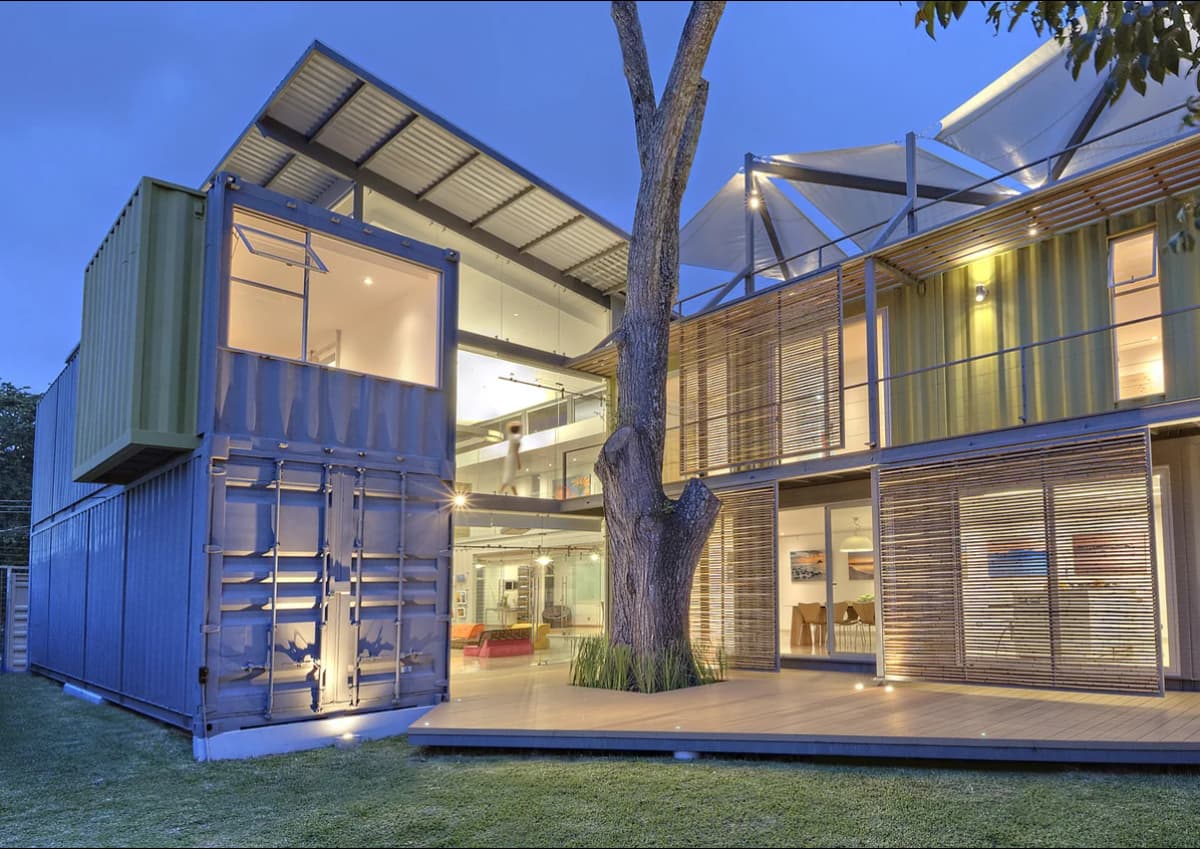
Lenders classify container homes as "real property" if they have permanent foundations, meet building codes, and function like traditional houses—otherwise they're considered "personal property." (Image courtesy of Livin Spaces)
FHA Loans
FHA loans can work great for California container homes, especially if you're a first-time buyer. These government-backed mortgages need lower down payments (as little as 3.5%) and work with lower credit scores than regular loans. For your container home to qualify, it must meet HUD's standards, including permanent foundations, proper utilities, and enough living space.
The max FHA loan limit in California depends on your county. It ranges from $524,225 in rural areas to $1,209,750 in expensive spots like San Francisco and Los Angeles as One big plus of FHA loans is they're okay with non-traditional housing when it meets structural requirements. Be ready for extra inspections during construction if you go this route.
Conventional Loans
Conventional mortgages from private lenders work for container homes if your project meets certain requirements. Most California lenders want your container home classified as real property, with a permanent foundation and meeting local building codes. You'll need a credit score of at least 620, a debt-to-income ratio under 45%, and a down payment of 10–20% minimum.
VA Loans
California vets and active military have a great option with VA loans. These often offer 100% financing with no down payment and competitive rates. For container homes, VA loans have similar requirements to conventional loans: permanent foundation and meeting building codes. The home must be your main residence, not a vacation or rental property.
What makes VA loans especially good for California container homes is they're more likely to approve non-traditional construction than conventional loans. The VA is more flexible about building materials and methods as long as the final home is safe and livable. If you qualify for VA benefits, this might be your cheapest way to own a container home in California's expensive market.
Alternative Financing
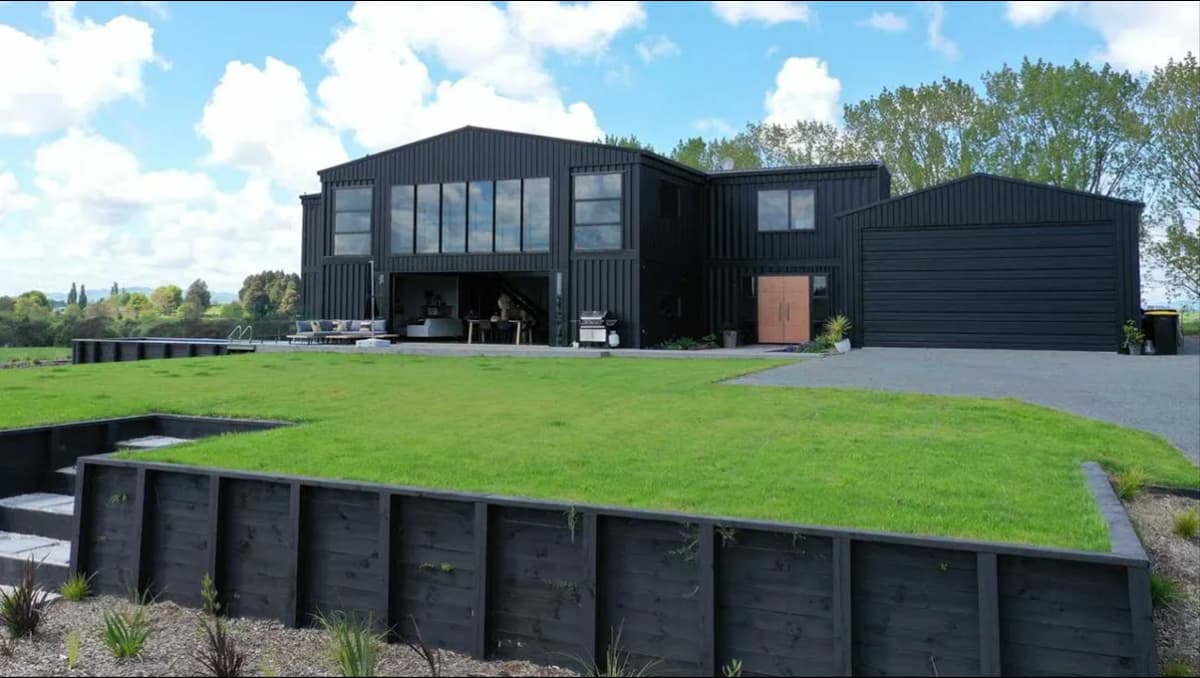
When regular mortgages won't work for your container project, several alternatives can help. These options are more flexible but might have higher interest rates or shorter payback periods.
Construction Loans
Construction loans are made for the building phase of your container home. These short-term loans last 12–18 months and convert to permanent mortgages when you're done. Most California lenders offer construction-to-permanent loans with one closing, saving you time and duplicate closing costs. Interest rates run about 1–1.5% higher than standard mortgages because there's more risk during construction.
To qualify for a construction loan in California, you need detailed building plans, a qualified contractor (unless you're building yourself), cost breakdowns, and usually a 20–25% down payment. The lender releases money in stages as you hit construction milestones.
Personal Loans
Personal loans give you quick, unsecured financing that works great for smaller container projects or buying and moving the containers. California personal loans range from $5,000 to $100,000, so they work best for modest builds or as extra financing. Approval focuses on your credit score and income rather than property details, making it easier for non-traditional projects.
The downside is higher interest rates (7–36% in California) and shorter payback periods (2–7 years). For container projects under $50,000, personal loans give you flexibility without all the requirements of property loans.
Home Equity Options
If you already own property in California, using your home equity can be a smart way to finance your container home. HELOCs and Home Equity Loans let you borrow against your property's value, often at good rates. This works especially well for adding a container ADU to your property or building on land you own.
California homeowners can usually borrow up to 80–85% of their home's value minus what they still owe on their mortgage. HELOCs let you take money as needed during construction, while Home Equity Loans give you a lump sum with fixed payments. Both offer lower rates than personal loans because your property secures them.
Seller Financing
When buying land for your container home, seller financing can make things easier by combining land purchase and construction financing. You make payments directly to the land seller, often with more flexible terms than bank loans. For California container projects, this means bypassing many restrictions traditional lenders put on non-conventional homes.
Common seller financing terms in California include 10–30% down, 5–15 year payback periods, and interest rates slightly above current mortgage rates. The big advantage is avoiding strict property requirements that might disqualify container homes. Always have a lawyer review seller financing agreements to protect both sides.
California-Specific Programs
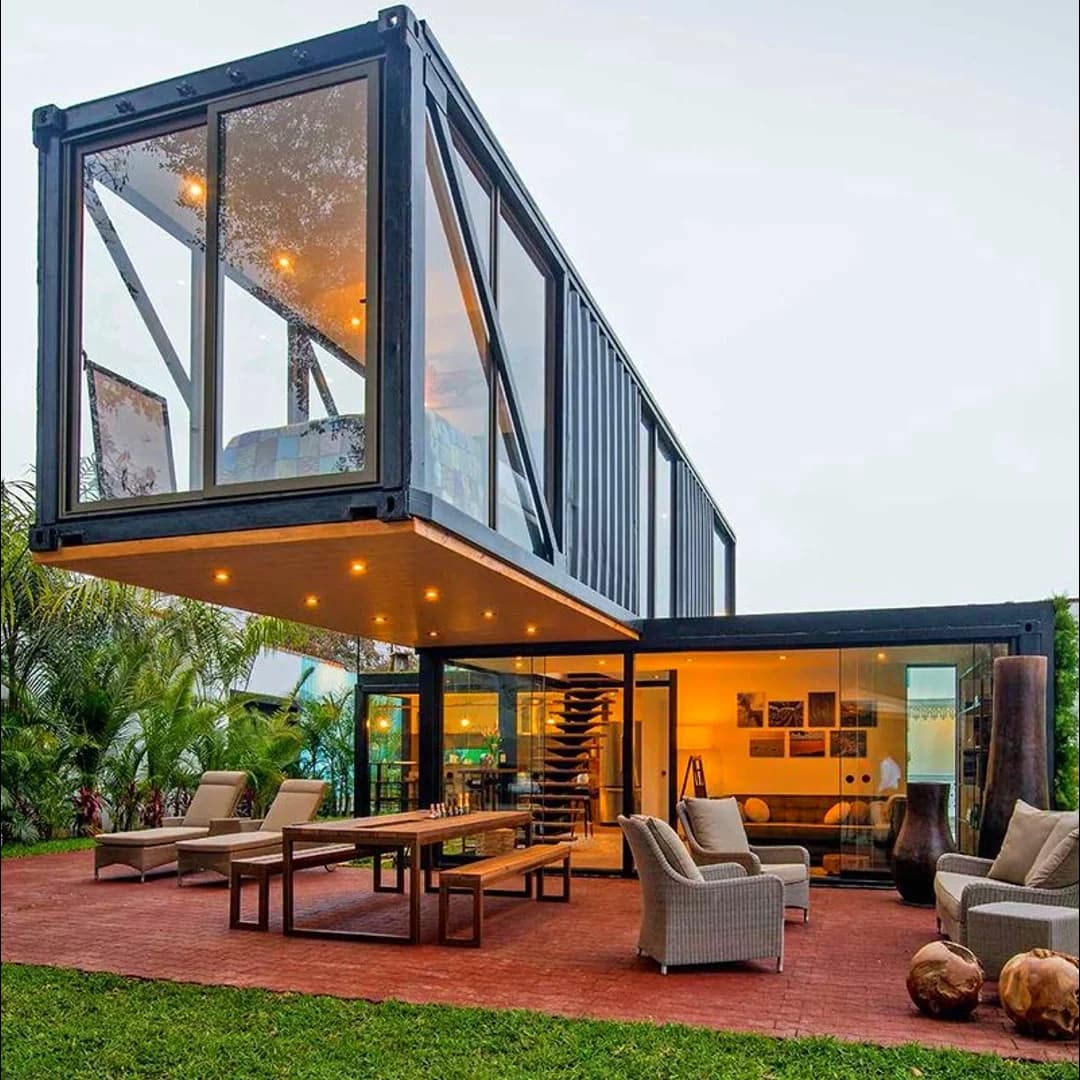
California has several housing assistance programs that work for container home projects. These state options can really cut your financing costs if you meet the requirements. (Image courtesy of HoMagic)
CalHFA Programs
CalHFA offers several loans that work for container homes when they meet permanent housing requirements. Their first-time buyer programs have below-market rates and down payment help up to 3.5% of the price or appraised value. Your container home must meet building codes and be your main home, with income under county limits (usually 140% of area median income).
CalHFA's ADU Grant Program is perfect for container home fans. It provides up to $40,000 for predevelopment costs for ADUs, including container ADUs. You can use it for architecture, engineering, permits, soil tests, and impact fees. You don't have to pay it back as long as you finish the ADU on time.
Local Incentives
Many California cities and counties offer extra incentives for alternative housing like container homes:
- San Diego: Waives development fees for ADUs under 800 square feet.
- Los Angeles County: Fast-tracks permits for prefab housing including containers that meet affordability guidelines.
- Sacramento: Offers property tax breaks for sustainable building practices.
Check with your local housing authority for programs in your area. Some places also reduce impact fees or utility connection costs for homes under a certain size, making tiny container homes especially attractive.
Steps to Secure Financing
1. Pre-Approval Process
Start by strengthening your finances before applying. Pay down debts to improve your debt-to-income ratio, save for a bigger down payment (aim for 20%+), and check your credit reports for errors to fix. For California container projects, lenders want to see 6–12 months of steady income and job history.
Next, talk to multiple lenders who know alternative construction or manufactured housing. California credit unions and community banks are often more flexible about container homes than big banks. When getting pre-approved, specifically ask about their container construction experience and any special requirements.
2. Property Selection
Your land choice really affects container home financing in California. Lenders look at the property, its location, accessibility, utilities, and zoning. Urban and suburban lots get better financing terms than remote rural land because there's clearer sales data and resale potential.
California Property Considerations:
- Best for financing: Developed lots in neighborhoods with utilities
- Moderate difficulty: Semi-rural properties with some utilities
- Most challenging: Remote land needing wells, septic, and off-grid systems
When buying land for a container home, get a letter from planning confirming container construction is allowed. This strengthens your financing application and prevents buying land where you can't build. For best financing terms, pick properties with utilities already at the lot line. Connection costs in California can exceed $20,000 for properties needing extensive utility extensions.
3. Builder Selection
Choosing a container builder or deciding to self-build affects your financing options. Most California lenders prefer licensed contractors with container experience. If self-building, expect higher down payments and more documentation needs, including detailed plans, timelines, and proof you can do the work.
4. Final Loan Application
With property and builder arranged, put together your loan application. Include architectural plans showing California building code compliance, itemized budget with contingency funds (10–15% of total), land documents, builder credentials, and your financial records. For construction loans, prepare a draw schedule showing when you'll need money during building.
Be ready to explain container construction to lenders who don't know it. Showing successful container projects in similar California locations helps overcome doubts. Some borrowers include an appraiser's letter confirming similar alternative homes have sold in the area.
5. Construction Timeline
Most container construction loans in California have 6–12 month completion requirements, with extensions available for a fee. Your financing should match a realistic construction schedule accounting for permit delays, material delivery, and inspections. California's seasonal weather should factor into your timeline.
Set up clear communication with your lender about construction milestones and inspections needed for fund releases. Most California construction loans require inspection before releasing money for the next phase.
*These numbers are estimates, and the actual price can vary. Thus, it’s best to reach out to us for an accurate quote.
Conexwest Can Help With Your California Container Home Financing
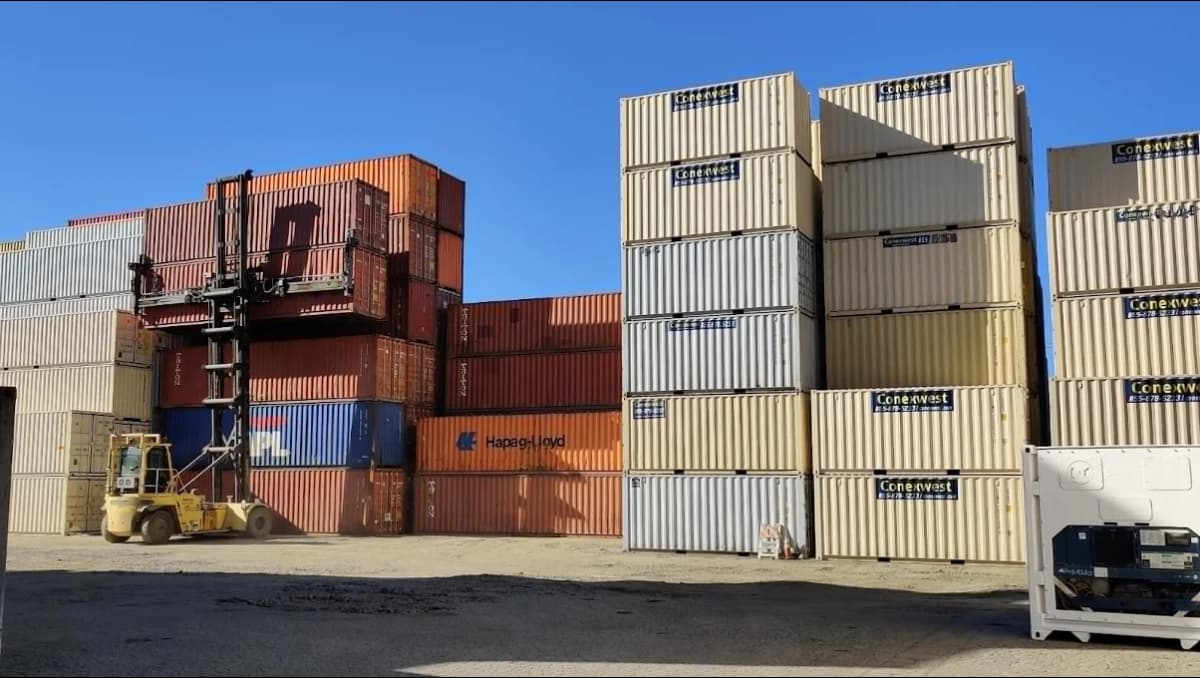
Our California-approved containers meet state building codes and come with documentation that lenders require for financing approval.
- Lender-Ready Documentation: We provide the detailed specifications, engineering certifications, and building code compliance documentation that California lenders require for container home financing. Our containers come with the paperwork that speeds up loan approval.
- California Code Compliance: Our containers meet California's strict building standards including seismic requirements, energy efficiency codes, and foundation specifications. This eliminates the compliance issues that often kill financing applications for DIY container projects.
- Complete Project Planning: For construction loans that release funds in stages, we help coordinate delivery timing and construction milestones to match your financing draw schedule. Our project management ensures you meet lender requirements at each funding stage.
- ADU Specialization: Many California container homes qualify as Accessory Dwelling Units, which opens up special financing programs and grants. We design containers that meet ADU requirements while maximizing your financing options.
Was this helpful?
Frequently Asked Questions
Yes, but it varies. National banks are usually most resistant, while local credit unions and community banks in California often have more flexible policies for alternative construction. Key approval factors are permanent foundation, meeting California building codes, and being classified as real property not personal property. Providing detailed plans, contractor info, and examples of similar successful projects really improves approval odds.
Expect 45–90 days for container home loan approval in California, versus 30–45 days for traditional construction. The extra time comes from additional underwriting, including specialized appraisals and building department consultations. Construction loans take longer than permanent financing because of detailed plan and contractor reviews. Having complete documentation ready speeds things up.
At Conexwest, we provide the complete documentation package that lenders need, including engineering specs, building code compliance certificates, and detailed construction plans. Our containers also meet California's tough requirements right out of the gate, so there are no surprises that kill your loan approval later.