

Can You Build a Barndominium in South Carolina? 2025 Laws, Cost & Expert Tips
Get a quote2025 South Carolina Barndominium Laws, Costs & Building Tips
Key Takeaways
- Barndominiums are legal in South Carolina, but zoning rules change dramatically between rural counties and urban areas with HOAs or historic districts.
- Expect to pay $130–$180 per square foot in 2025; that’s roughly 30–40% less than traditional home construction in the state.
- Rural counties like Orangeburg, Jasper, and Bamberg have the easiest permitting, while coastal areas and metro regions require more documentation.
- Conexwest's containers provide barndominium-style living with faster builds and proven compliance with South Carolina building codes.
What Is a Barndominium?
A barndominium combines a barn's structural elements with residential living space. Built with metal frames and shells courtesy of the chipping containers, they feature high ceilings, open layouts, and space for workshops or garages under the same roof.
Their simple design means faster construction than stick-built homes. In South Carolina, barndominiums cost 9–40% less than traditional homes of the same size. They hold up well against hurricane seasons and humid weather, making them practical long-term investments.
Many rural landowners like how barndominiums fit the landscape while providing modern amenities. In fact, remote work has increased demand for affordable housing with extra space for home offices and workshops. That’s why barndos are a hit among the younger generation.
Most South Carolina barndo buyers want rustic charm, modern comfort, and budget-friendly construction.
Conexwest, a leader in shipping and storage solutions based in Northern California, offers new, used, and refurbished containers from 10ft to 45ft, with fast delivery within 3–7 days and container fabrication options like adding shelves and locks. We serve over 10,000 customers nationwide, including prestigious clients like the U.S. Navy and Google. As an ISO 9001 and AWS-certified company, we ensure top quality and competitive pricing. |
Legal Requirements in South Carolina
South Carolina doesn't ban barndominium construction, but regulations vary by county and city. All projects need building permits, with specific requirements depending on location. Counties like Horry, Greenville, and Charleston have stricter rules than rural counties like Allendale or Bamberg.
Many counties have updated their building codes specifically for barndominium construction and your plans must meet these requirements:
- Minimum square footage (typically 600–1,000 square feet for residential use).
- Permanent foundation specifications to ensure structural integrity.
- Fire safety features for metal structures to meet fire codes and protect occupants.
- Energy efficiency standards for South Carolina's climate.
- Septic or sewer connections that comply with local health and environmental regulations, especially in rural areas where municipal sewer is unavailable.
Rural vs. Urban Restrictions
Location determines how easy your barndominium project will be. Rural areas have fewer restrictions on architectural style, size, and design. Counties like Orangeburg, Jasper, and parts of Spartanburg welcome alternative housing, making permits straightforward.
Urban and suburban areas create more challenges. Historic districts in Charleston, Columbia, and Georgetown have strict architectural guidelines that often prohibit barndominium designs.
Subdivisions with Home Owners Association (HOA) typically restrict or ban metal buildings and pole barns. Always check for these restrictions before buying land.
The best barndominium locations in South Carolina are unincorporated rural land, particularly areas zoned for agricultural use. These areas allow mixed-use structures and have fewer aesthetic requirements.
Construction Costs in 2025
South Carolina barndominium costs range from $130 to $180 per square foot for finished structures in 2025. Traditional construction averages $220–$300 per square foot in the state.
Rural counties like Colleton, Saluda, and parts of Lexington have the lowest construction costs. Coastal areas and metro regions like Charleston, Myrtle Beach, and Greenville cost more due to stricter building codes and higher labor costs.
Cost Breakdown
- Shell structure (metal frame and exterior): $30–$50 per square foot
- Site preparation (grading, foundation, utilities): $15–$25 per square foot
- Interior finishing (mid-range): $70–$100 per square foot
- Additional costs: Permits ($1,500–$3,000), plans ($2,000–$8,000), septic systems ($6,000–$12,000)
Many South Carolina barndominium owners spend 10–15% more than their initial budget, mainly due to unexpected site preparation costs.
Shell-Only vs. Turnkey Options
Shell-only kits provide just the metal structure and exterior, costing $25,000–$70,000 depending on size. This saves money if you have construction experience or can manage subcontractors, but requires significant time and knowledge.
Turnkey barndominiums cost $150–$180 per square foot in South Carolina. There are specialized contractors that handle everything from foundation to finishing.
Insurance & Financing
Insurance for South Carolina barndominiums requires special attention because not all companies understand these hybrid structures. National carriers often classify barndominiums as commercial buildings with higher premiums, while local South Carolina insurers familiar with these structures typically charge reasonable rates.
Coastal counties face additional insurance challenges:
- Hurricane-prone areas may require separate windstorm policies beyond standard homeowner's insurance.
- Metal structures get favorable fire resistance rates but face scrutiny on wind resistance unless properly engineered.
- Budget $1,200–$3,500 annually depending on location, size, and coverage.
Traditional mortgage lenders often hesitate to finance barndominiums because they don't fit conventional residential categories:
- In 2025, several South Carolina credit unions and regional banks developed specific barndominium loan programs.
- Construction loans remain most common, structured as short-term loans with higher interest rates (1–2% above conventional mortgages). Many owners need larger down payments, typically 20–30% versus 3–5% for traditional homes.
Foundation & Climate Considerations
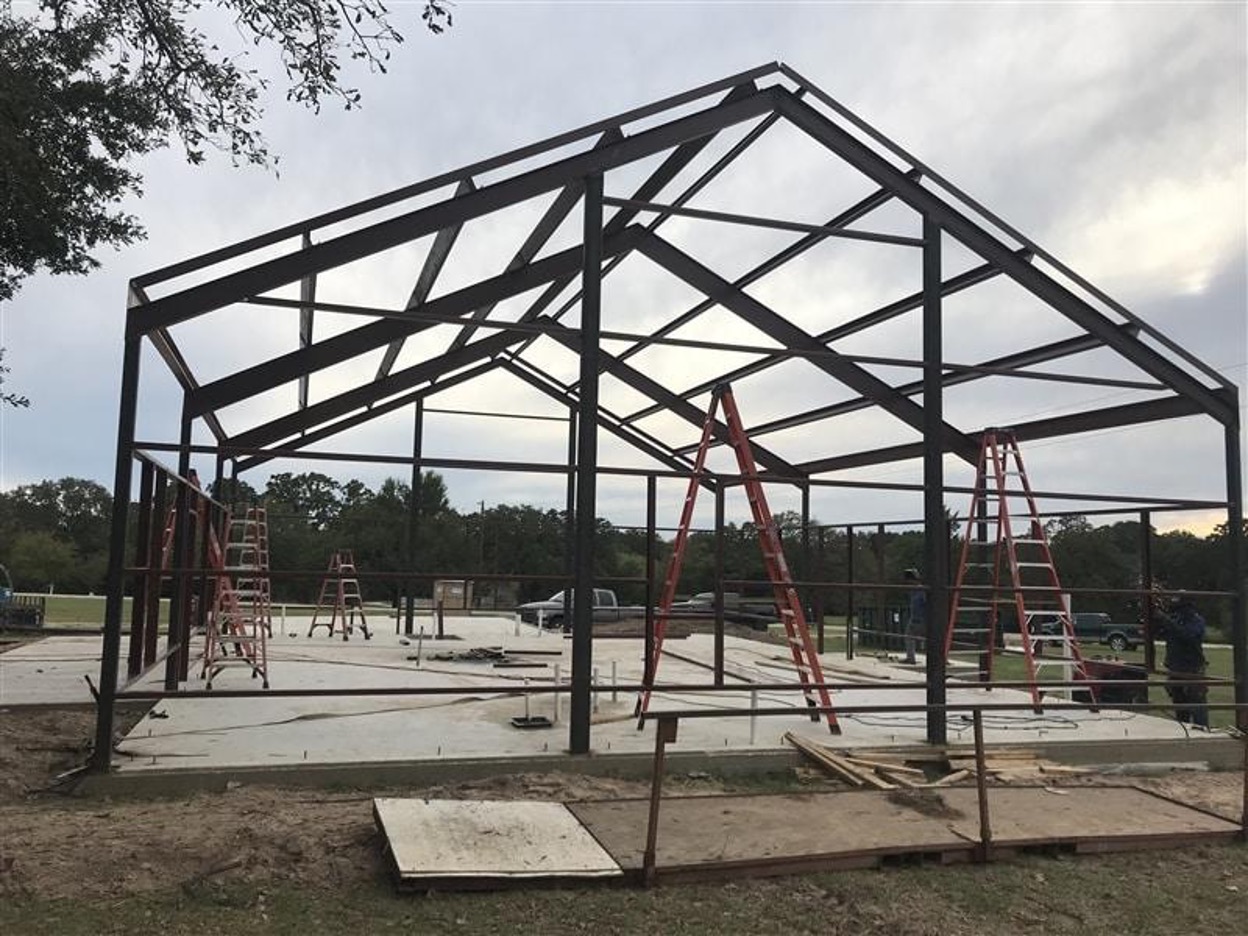
Steel framing goes up on a concrete slab foundation during early construction of a barndominium—combining durability with open-concept design.
South Carolina barndominium foundations require either concrete slabs ($7–$12 per square foot) or pier-and-beam foundations ($8–$16 per square foot). Soil conditions vary from coastal sand to piedmont clay.
Wetland areas near Charleston and Beaufort often need specialized foundations that add 20–30% to costs.
The state's hot, humid summers require robust insulation such as spray foam with R-30+ for roofs and R-20+ for walls. Large overhangs (24+ inches) provide shade during intense summer sun. Strategic window placement maximizes natural ventilation from coastal breezes.
Hurricane resistance is essential, particularly in coastal counties like Beaufort, Dorchester, and Georgetown. Enhanced tie-downs, impact-resistant windows, metal roofs rated for 140+ mph winds, and reinforced garage doors are the standard. South Carolina's heavy rainfall makes proper site drainage critical.
Energy Efficiency & Design
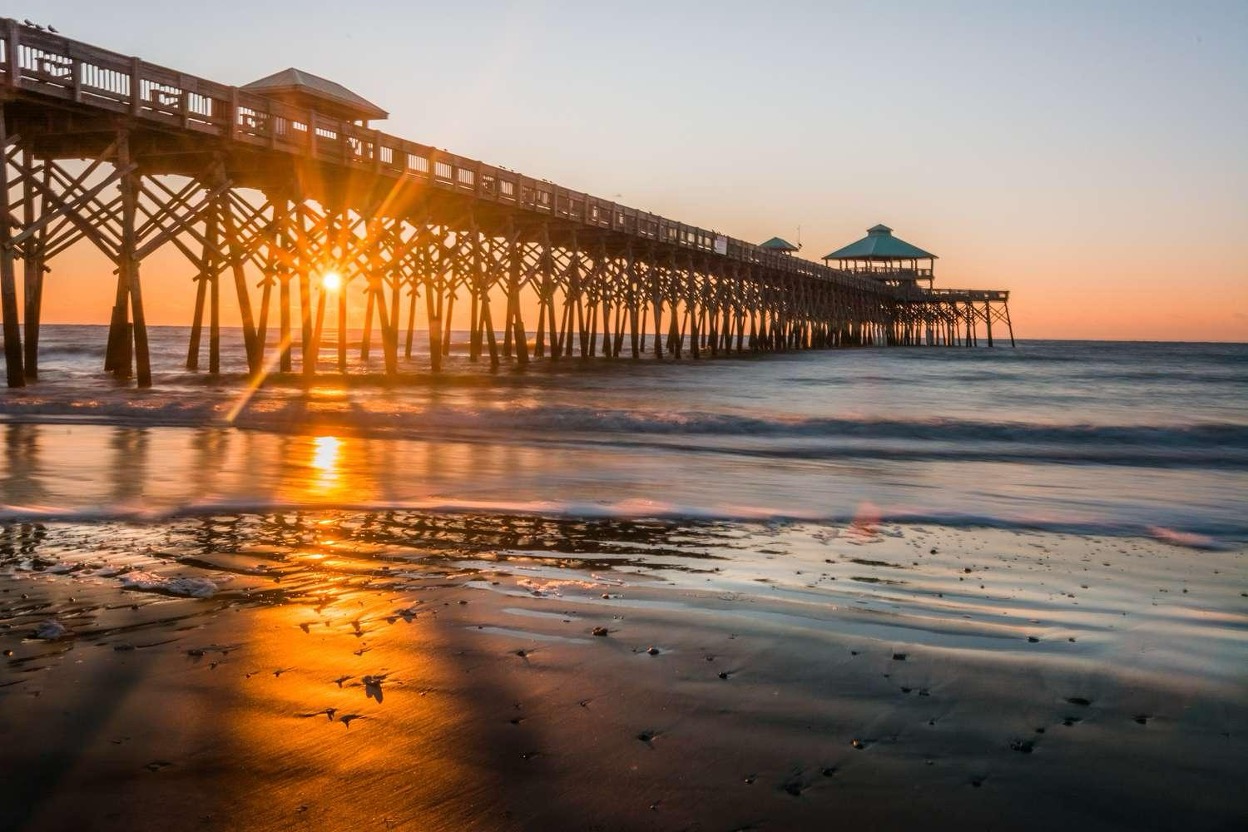
South Carolina's climate makes energy efficiency crucial for barndominium owners. Metal exteriors create significant heat gain without proper planning.
Cool roof coatings with high solar reflectance (SRI values of 75+) reduce cooling costs by 15-25%. Properly sealed metal buildings with spray foam insulation typically outperform traditional construction.
For maximum efficiency, many owners install mini-split HVAC systems with zoned climate control, reducing energy consumption by heating and cooling only occupied areas. Solar panel costs decreased 35% since 2020, making renewable energy increasingly viable for offsetting higher electricity consumption in all-electric barndominiums.
DIY vs. Professional Construction
DIY construction appeals to many prospective owners, potentially saving 30–40% compared to general contractors. However, South Carolina's building regulations and climate create challenges for DIY builders. Most counties require licensed professionals for foundation work, electrical, plumbing, and HVAC installation.
Self-contracting (where owners act as general contractors and hire subcontractors for specialized work) has become the most common middle-ground approach. Professional barndominium builders typically charge 15–25% markup over materials and subcontractor costs, but bring valuable expertise in county-specific building codes and climate-appropriate construction techniques.
Container-Based Alternatives
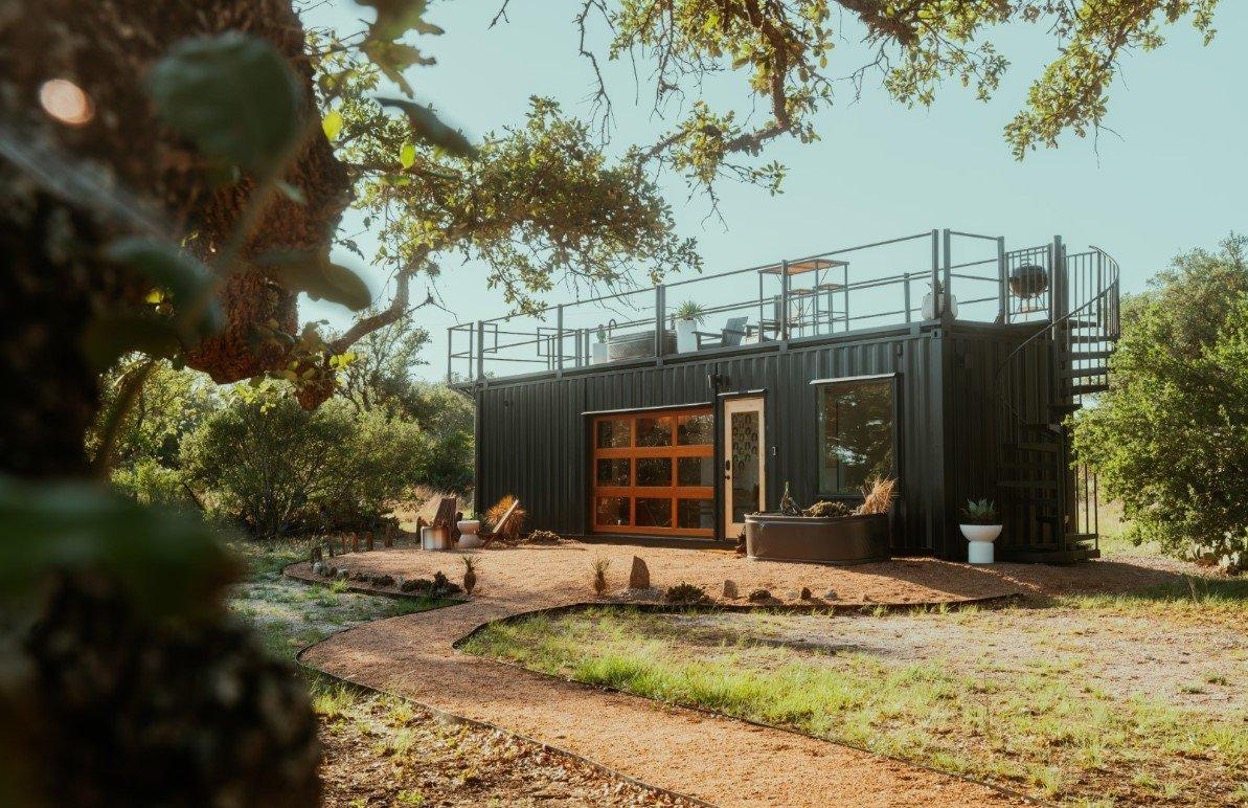
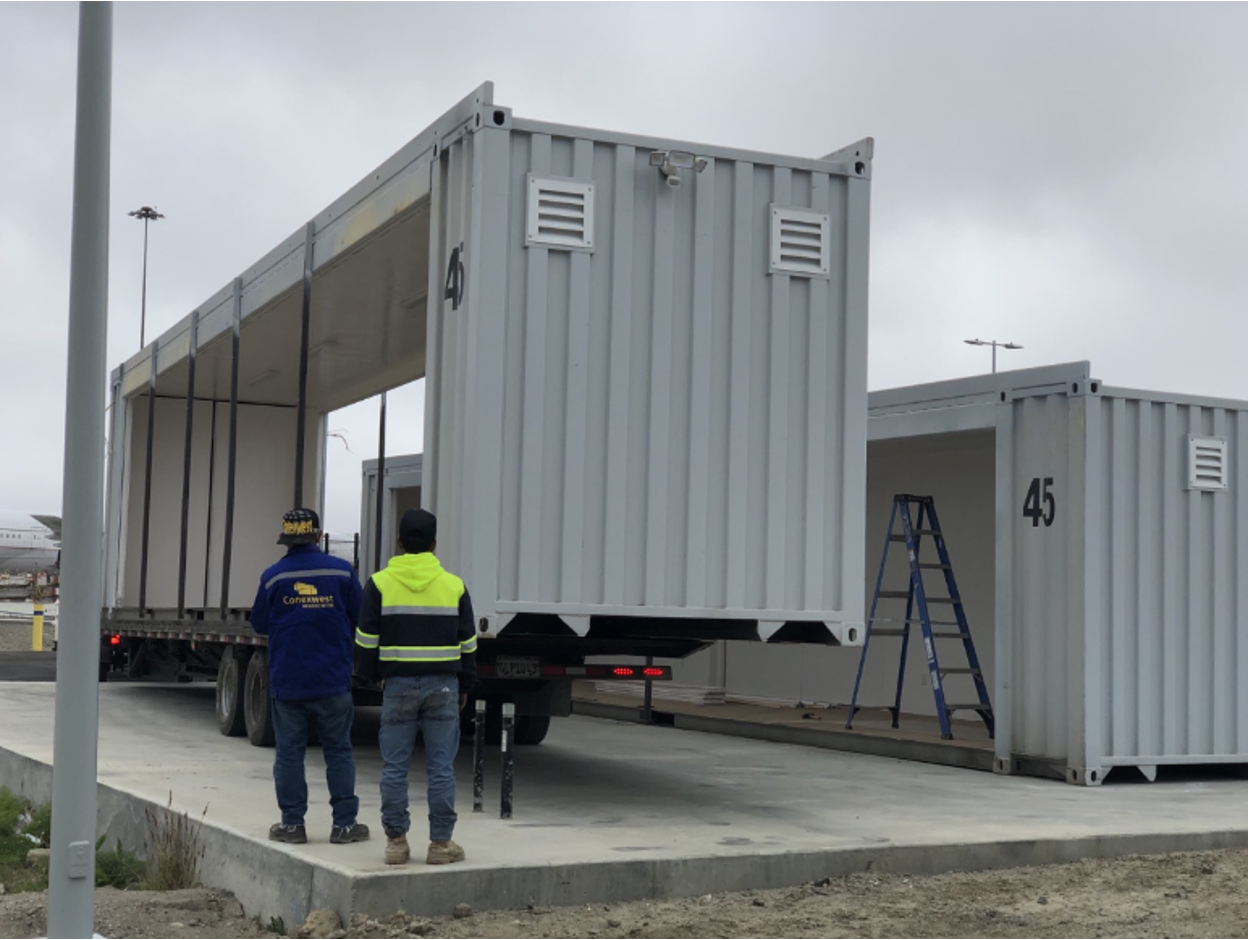
Container-based structures provide an innovative alternative to traditional barndominiums in South Carolina. (Image courtesy of Prefab Review)
These structures cost $120–$175 per square foot, comparable to barndominiums but with potentially faster build times. Their modular nature allows creative stacking and arrangement, making them suitable for challenging lots that might not accommodate traditional designs.
Choosing a Conexwest Container Home Design
Many coastal South Carolina residents choose container homes for superior hurricane resistance. These structures can be permitted more easily in many counties because they meet standardized building codes and are classified as modular construction.
Conexwest's container-based structures provide barndominium-style living with distinct advantages for South Carolina residents. Our flexibility, proven code compliance, and streamlined permitting process address many of the challenges that complicate traditional barndominium projects.
With complete engineering documentation, structural certifications, and statewide delivery within 3-7 days.
Here are more reasons to partner with Conexwest to build your dream barndominium in South Carolina:
- 10-year structural warranty and 1-year interior coverage (5 years on refurbished units)
- Custom fabrication by AWS-certified professionals (built-ins, custom paint, and more)
- Quick delivery across the U.S. in just 3–7 business days
- Transparent pricing with no hidden costs
- End-to-end support from design to delivery
- Hassle-free installation with pre-confirmed door placement and site access
When proper planning is applied, you can create an affordable, customized living space that handles the state's climate while meeting regulatory requirements.
Frequently Asked Questions (FAQs)
- Are barndominiums legal in all parts of South Carolina?
Barndominiums are legal under state law, but local regulations vary significantly. Urban areas, historic districts, and HOA neighborhoods often restrict these structures, while rural and agricultural zones typically allow them with proper permits.
- Do barndominiums hold their value in South Carolina?
Well-built barndominiums in desirable locations have shown solid value retention due to lower construction costs, energy efficiency, and durability. Rural barndominiums with acreage have shown particularly strong appreciation in the post-pandemic market.
- How long does it take to build a barndominium in South Carolina?
Typical construction timelines range from 6–12 months, with weather and contractor availability affecting schedules. Shell-only structures can be erected in 2–4 weeks, but interior finishing adds several months.
- Can I use Conexwest containers to build a barndominium-style home in South Carolina?
Yes, Conexwest's containers provide barndominium-style living with faster installation and proven compliance with South Carolina building codes. These modular structures handle the state's climate well and often permit more easily than traditional barndominiums.
- How does Conexwest support South Carolina customers throughout the building process?
Conexwest provides complete engineering documentation, structural certifications, and building code compliance reports that streamline South Carolina's permitting process. They deliver containers statewide within 3-7 days and offer ongoing support through permit approvals, often reducing approval times from months to weeks compared to traditional barndominium projects.