

Can You Build a Barndominium in Georgia? 2025 Laws, Cost & Expert Tips
Shop now2025 Georgia Barndominium Laws, Costs & Building Tips
Barndominiums are gaining traction across Georgia as homeowners look for faster, more cost-efficient ways to build without sacrificing space or durability. With rising construction costs and growing demand for flexible residential layouts, barndominium builds offer a practical alternative to traditional homes—especially in rural and suburban areas. But before starting a project, it’s important to understand how Georgia’s zoning laws, building requirements, and total construction costs apply to this type of structure. This guide breaks down what it takes to build a barndominium in Georgia in 2025, including permits, pricing, and key considerations from planning to completion.
Key Takeaways
- Yes, you can build a barndominium in Georgia, but rules vary by county.
- Costs run $100–150 per square foot in 2025, about 30% less than regular homes.
- Georgia's humidity and coastal storms need special construction planning.
- Rural counties have fewer rules than urban areas, and many HOAs ban them.
- At Conexwest, we provide quality steel containers designed for Georgia's climate and understand the state's varied county regulations.
Georgia's Barndominium Reality
Want to build a barndominium in Georgia? These metal home-barn combos have taken off across Georgia, from rural farmland to some suburban spots. People love them because they're tough, affordable, and look great.
Here's the straight answer: Yes, you can build a barndominium in Georgia. But you need to know your county's rules, budget right, and plan for the hot, humid weather. Plenty of folks have done it successfully, building metal homes that handle the heat, humidity, and occasional coastal storms just fine.
Georgia has plenty going for it if you want a barndominium. Land prices are reasonable in most counties, especially in central and southern Georgia. You can find 5+ acre lots without breaking the bank. The weather lets you build almost year-round, unlike up north where winter shuts everything down.
The tricky part is the humidity. Your design needs good ventilation and moisture control or you'll have problems. But when you plan for it, these buildings work great in Georgia's climate.
Conexwest, a leader in shipping and storage solutions based in Northern California, offers new, used, and refurbished containers from 10ft to 45ft, with fast delivery within 3–7 days and container fabrication options like adding shelves and locks. We serve over 10,000 customers nationwide, including prestigious clients like the U.S. Navy and Google. As an ISO 9001 and AWS-certified company, we ensure top quality and competitive pricing. |
2025 Legal Framework
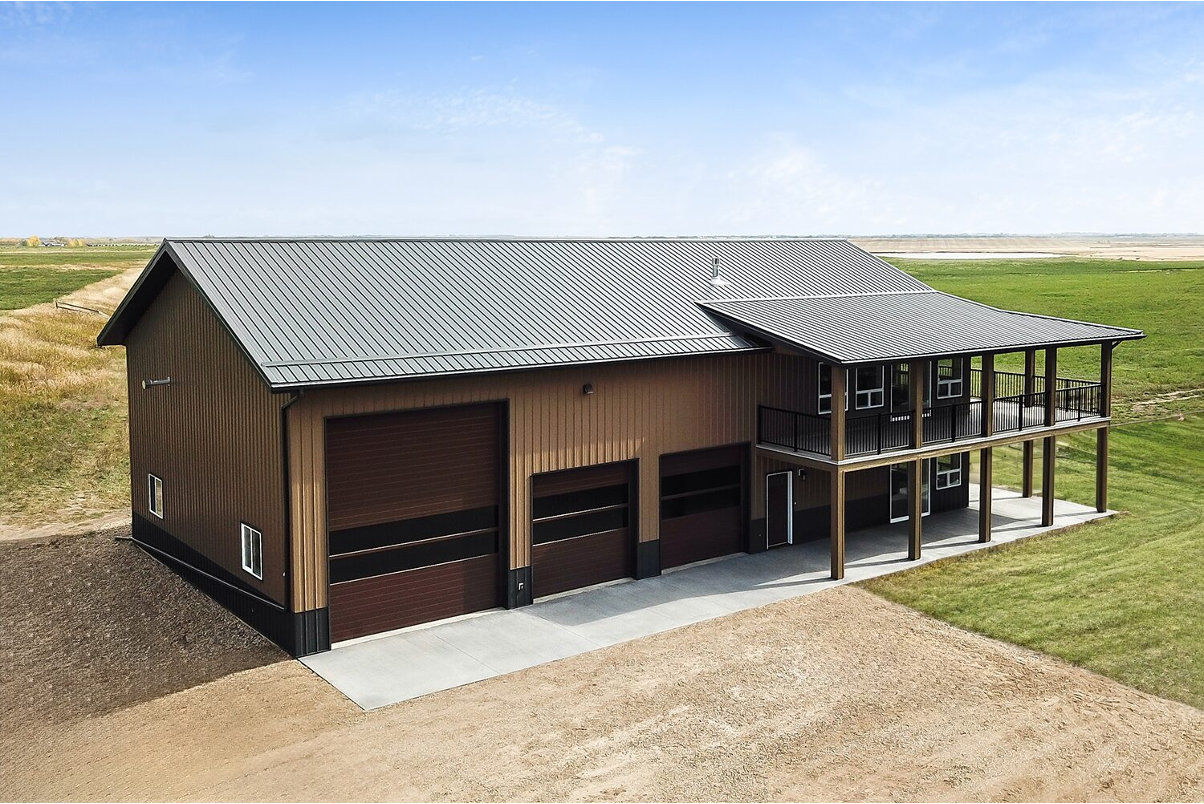
Georgia doesn't have one set of rules for the whole state. Each county makes its own building rules. (Image courtesy of Remuda Building)
What Most Counties Require
County regulations can vary, but they’ll typically expect:
- A building permit for barndominium construction
- Plans stamped by a Georgia-licensed engineer
- Separate septic system permit from health department
- Licensed contractors for electrical, plumbing, and HVAC
- Specific setbacks from property lines
County Zoning Restrictions
Zoning decides where you can build different types of buildings. Agricultural zones usually let you build barndominiums easily. Residential zones might have rules about how your building looks, minimum size, and foundation type.
Watch out for Homeowners Associations (HOAs). Many Georgia HOAs ban metal buildings or anything that looks like a barn. This happens a lot in suburbs around Atlanta, Macon, and along the coast. They’ll often have review boards that can reject your plans if they don't like the look.
Building Code Requirements
Georgia uses the International Residential Code with some state changes, but enforcement varies a lot. Populated counties want full compliance with detailed plans, proof of energy efficiency, and multiple inspections. Rural counties might be more relaxed but still require compliance with basic safety standards.
Work with contractors who know your county's inspectors and requirements. They know what flies and what doesn't.
Permit Process Timeline
Permit timing depends on where you build. Rural counties might issue permits in 2–4 weeks. Populated counties can take 2–3 months or more.
Start your permit process at least 90 days before you want to build. Common delays happen when plans don't show enough detail about metal-to-foundation connections and load calculations for open floor plans.
Agricultural vs Residential Classification
Agricultural buildings face fewer rules and lower fees, but you can't live in them. If you convert an existing barn to a home, you'll need to meet all residential codes. That gets expensive.
Most new barndominiums get classified as residential from day one. This means meeting all home safety requirements but also higher standards for insulation, ventilation, and emergency exits. It affects your insurance and taxes, too.
Barndominium Costs Breakdown
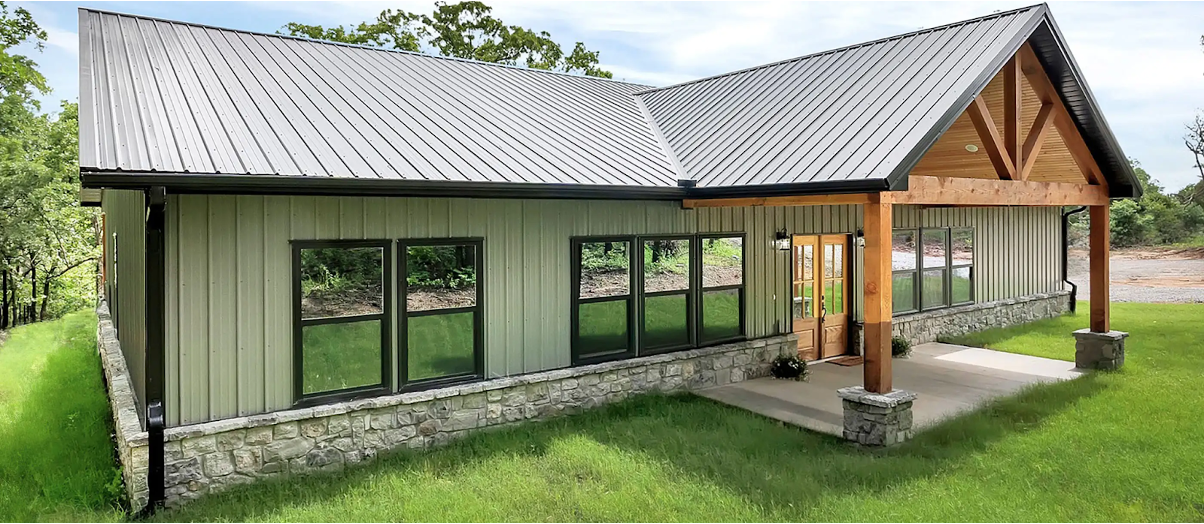
The Atlanta area and coastal towns cost the most. Rural central and southern Georgia cost less. Labor availability matters too; some rural areas might lack specialists, which drives up costs. (Image courtesy of Burrow's Post-Frame Supply)
Shell Construction ($50–100/sq ft)
The shell is your basic structure: the metal frame, walls, roof, windows, and doors. They typically range from $50–100 per square foot. Simple rectangular designs with standard 16-foot walls cost less than complex layouts with high ceilings.
Kit providers sell throughout Georgia. These pre-engineered packages include structural parts, metal panels, trim, and fasteners. They don't include foundation, insulation, or interior finishing. Popular providers include General Steel and Worldwide Steel Buildings.
Pro Tip: Upgrade to 26-gauge metal panels instead of standard 29-gauge. The thicker metal handles hail and wind better, especially near the coast. Good weather sealing around openings keeps out Georgia's heavy rains.
Land Considerations
Land runs from $3,000 per acre in remote areas to $50,000+ in suburbs. Site prep adds more - clearing trees, grading slopes, drilling wells, and installing septic ($15,000–30,000 for rural projects).
Georgia's red clay soil creates foundation challenges. The soil shifts seasonally, so you might need deeper footings or engineered slabs. Soil testing costs $500–1,500 but prevents foundation problems.
Finishing Expenses
Interior work takes 50–60% of your total budget. This covers electrical, plumbing, HVAC, insulation, drywall, flooring, cabinets, and fixtures. Basic finishes run $40 per square foot, while luxury finishes can hit $80.
These prices are just an estimate and are subject to change. Contact us to get the exact pricing.
Georgia-Specific Price Factors
Georgia's climate means you can't skimp on certain things:
- Proper insulation and moisture barriers (non-negotiable with our humidity)
- HVAC for hot summers that’s properly sized
- Hurricane anchoring in coastal areas
- Good drainage for heavy rains
Insurance needs special attention. Metal buildings often get lower fire premiums but might cost more for wind coverage near the coast. Some insurers don't understand barndominiums, limiting your options. Talk to agents who know metal buildings before you build.
Georgia Weather Considerations
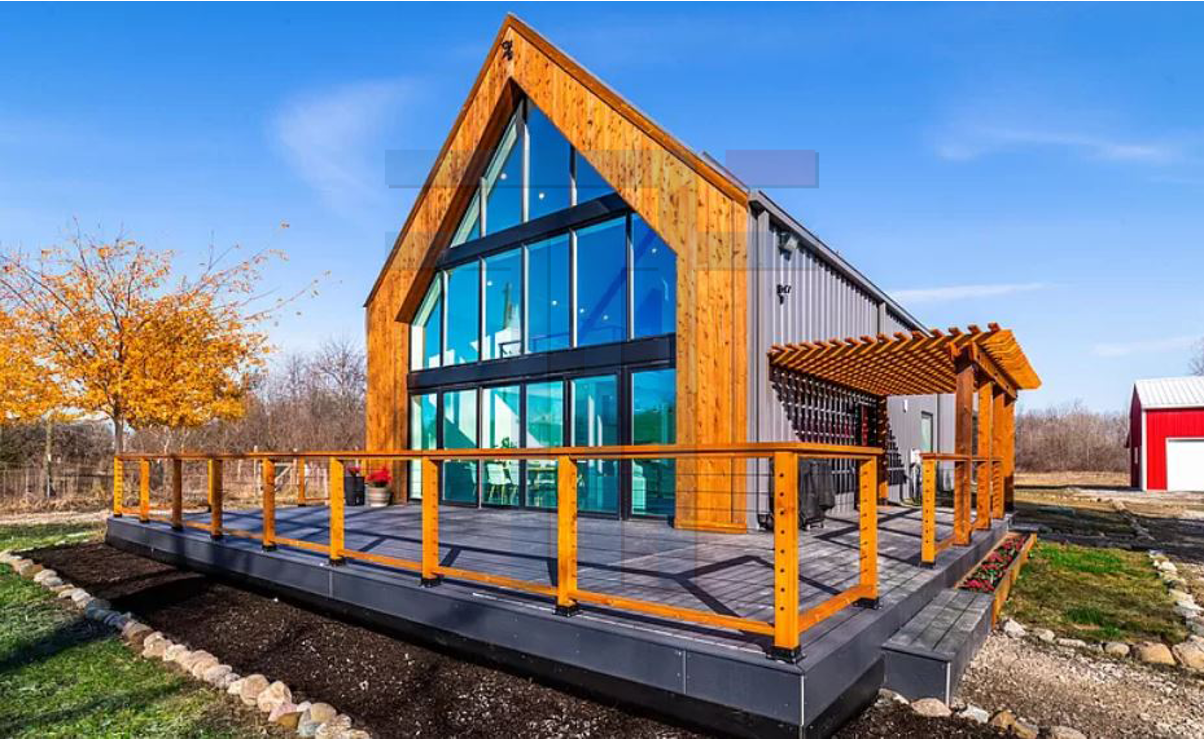
Georgia weather creates specific design needs. Hot, humid summers, wet winters, and coastal storms all affect your barndominium. (Image courtesy of Titan Steel Structures)
Humidity Mitigation
Georgia's 60–80% humidity is your biggest challenge. Poor humidity control causes condensation on metal, leading to mold and damage.
You need moisture barriers between metal and living spaces. Closed-cell spray foam against metal surfaces works best. It costs more than fiberglass but prevents condensation problems.
Good ventilation helps too. Quality HVAC with dehumidification keeps things comfortable. Ceiling fans throughout improve air flow and cut cooling costs.
Hurricane Resistance
Coastal counties within 50 miles of the ocean have strict wind requirements. You'll need extra bracing, stronger foundation anchors, and impact-resistant windows and doors. This adds 10–15% to shell costs but is essential for safety and insurance.
The good news: well-built metal structures often beat wood homes in high winds. The continuous load path from roof to foundation resists lateral forces when done right.
Insulation Needs
Metal conducts heat fast. Without good insulation, summer is unbearable, and winter heating costs soar. Don't use fiberglass directly against metal—it creates condensation. Use rigid foam against metal with additional layers to hit your R-values. Insulate your slab edges, too. It costs $2–3 per square foot extra but makes floors comfortable and saves on utilities.
Expert Tips for Success
Design Smart
Consider adding covered porches on multiple sides. They protect walls from sun, cut cooling costs, and give you great outdoor living space.
You can also plan for indoor-outdoor flow. Large sliding doors to porches or outdoor kitchens work great in Georgia's long outdoor season.
Finally, use concrete floors with radiant heat. They're durable, comfortable year-round, and perfect for open-concept designs.
Work with Locals
Georgia-based contractors who know barndominiums save you headaches. They understand:
- County requirements and inspector preferences
- Foundation design for red clay soil
- Moisture management
- Local suppliers
Budget Wisely
There’s lots of ways to save some money when building a barndominium. Consider these tips:
- Buy used containers locally to avoid shipping costs
- Install glass and windows on-site to avoid oversize transport fees
- Skip expensive smart glass; good roller shades work fine
- Test your layout with cardboard mockups before cutting metal
Avoid Common Mistakes
You don’t want to realize you made a mistake when it’s too late. When constructing a barndominium:
- Don't forget about glare from all those windows
- Size your HVAC 3x larger than standard buildings need
- Check local codes before buying land - some areas ban metal homes
- Never cut corner posts; they hold all the weight
- Plan power outlets in window frames for cleaner looks
Conexwest Can Help With Your Georgia Barndominium
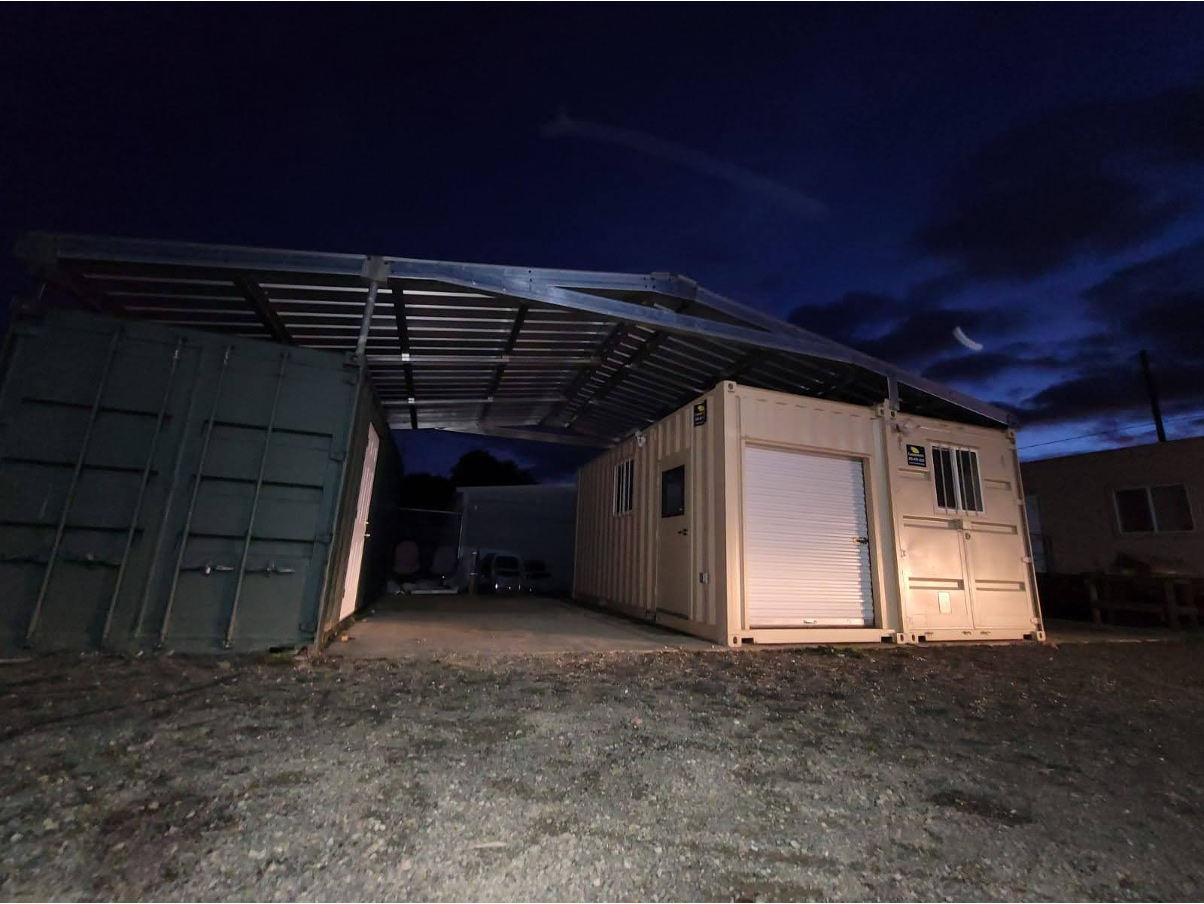
Our Georgia-approved container structures include proper moisture barriers and ventilation designed for the state's challenging humidity levels.
Georgia Climate-Ready Systems: Conexwest provides containers specifically designed for Georgia's hot, humid conditions. Our systems include proper moisture barriers, ventilation systems, and insulation recommendations that prevent the condensation problems that destroy regular metal buildings in this climate.
County Code Compliance: Georgia's 159 counties each have different rules, but we understand the variations and provide building systems that meet requirements from rural south Georgia to strict metro Atlanta counties.
Hurricane-Resistant Construction: For coastal Georgia properties, we provide container structures that meet the 130–150 mph wind requirements. This includes reinforced connections, hurricane ties, and foundation anchoring systems that keep your barndominium safe during storms.
Local Contractor Network: We work with Georgia contractors who specialize in steel buildings and understand both state codes and local county quirks. These professionals know how to work with Georgia's red clay soil and humidity challenges.
Complete Project Support: From initial design through final construction, we help coordinate your entire project. We understand Georgia's permit processes and can guide you toward counties and locations where your barndominium project will get approved faster.
FAQ
Plan on 6–12 months from permit application to move-in:• Permits: 4–8 weeks• Materials ordering/delivery: 8–12 weeks• Shell construction: 4–8 weeks• Interior finishing: 3–6 monthsSpring storms can cause delays, so build that into your timeline.
It depends on your county and business type. Most agricultural and rural zones allow home businesses with limits on traffic and noise. Customer visits or inventory storage might need extra permits. Check with your county planning department. Agricultural businesses on larger properties sometimes get tax breaks.
Requirements range from 0.5 to 5 acres depending on county:• Metro Atlanta: 1–3 acres (strict reviews, HOA issues)• Middle Georgia rural: 0.5–2 acres (moderate restrictions)• South Georgia rural: Often no minimum (few restrictions)• Coastal counties: 0.5–1 acre (wind/flood requirements)
Yes, when built right. Coastal counties require 130–150 mph wind resistance. This means hurricane ties, impact windows, and strong foundations. These features add cost but work, as metal barndominiums often handle storms better than wood homes.
Georgia's 60–80% humidity will hurt metal buildings that aren't designed right. We've seen way too many failures from people who didn't understand the moisture challenges. Our containers include closed-cell spray foam insulation applied directly to metal surfaces, which prevents the condensation that causes mold and structural problems. We also design proper ventilation systems and recommend HVAC with dehumidification capability. Most suppliers don't understand Georgia's climate and sell systems that work fine in dry states but fail miserably here. We've spent years figuring out what actually works in Georgia's humidity, from proper vapor barriers to ventilation strategies that keep your building dry and comfortable year-round.