Arkansas Shipping Container Zoning Law, Permit & Building Code Guide
Key Takeaways
- Shipping containers in Arkansas must comply with local zoning laws, which vary between residential and commercial areas.
- Setback requirements ensure that containers are placed at a minimum distance from property lines and other structures.
- Height and size restrictions can limit the dimensions of the shipping container you can use.
- Permits are necessary for using shipping containers, with a detailed application process and site plan required.
- Conexwest is your one-stop shop for all your shipping container needs - from buying containers to customizing them.
Shipping Container Zoning Laws, Permits, & Building Code Requirements In Arkansas
Zoning Laws
Zoning laws determine how land can be used and dictate where shipping containers can be located. They include:
- Land Use Designations: Each municipality in Arkansas has designated zones for residential, commercial, industrial, and agricultural uses. For instance, in Little Rock, shipping containers may be permitted in industrial zones but could face restrictions in residential areas unless specifically allowed by local ordinances.
- Setbacks: Setback requirements dictate how far structures must be from property lines or streets. For example, in Fayetteville, the minimum setback for accessory structures is 5 feet from the side and rear property lines. Front yard setbacks can vary based on the neighborhood's zoning classification.
- Height and Size Restrictions: Local codes may impose limits on the height and size of shipping containers to maintain neighborhood aesthetics.
- Aesthetic Regulations: Some areas may require that shipping containers be modified or painted to blend with surrounding structures. In neighborhoods governed by homeowners associations (HOAs), additional aesthetic guidelines may apply.
Permitting Process
- Application Submission: You must submit a building permit application to your local planning department along with detailed site plans showing the proposed location of the container. You may have to pay fees that vary by municipality.
- Documentation Requirements: Required documents include proof of land ownership, construction plans, and any modifications planned for the container (e.g., windows or doors). In some areas, you might need to provide engineering plans if you are modifying the container significantly.
- Review Process: Your application will undergo a review process where local officials assess compliance with zoning laws and building codes. They may request additional information or modifications to your plans.
- Inspections: Once approved, inspections will be required during construction to check compliance with safety standards.
- Final Approval: After passing inspections, you will receive a certificate of occupancy or final approval allowing you to use the container as intended.
Building Code Requirements
- Arkansas Fire Prevention Code: This code includes provisions for fire safety measures that must be followed when using shipping containers as living or working spaces.
- International Building Code (IBC): Shipping containers must comply with the IBC regarding structural integrity, electrical systems, plumbing, and ventilation requirements.
- Energy Efficiency Standards: The Arkansas Energy Code mandates minimum energy efficiency standards for new constructions, including those utilizing shipping containers.
- Accessibility Standards: If your project involves public access or is intended for commercial use, it must comply with the Americans with Disabilities Act (ADA) requirements regarding accessibility features.
Conexwest, a leader in shipping and storage solutions based in Northern California, offers new, used, and refurbished containers from 10ft to 45ft, with fast delivery within 3-7 days and container fabrication options like adding shelves and locks. We serve over 10,000 customers nationwide, including prestigious clients like the U.S. Navy and Google. As an ISO 9001 and AWS-certified company, we ensure top quality and competitive pricing. |
Get a quote
Tips For Complying With Arkansas’ Regulations
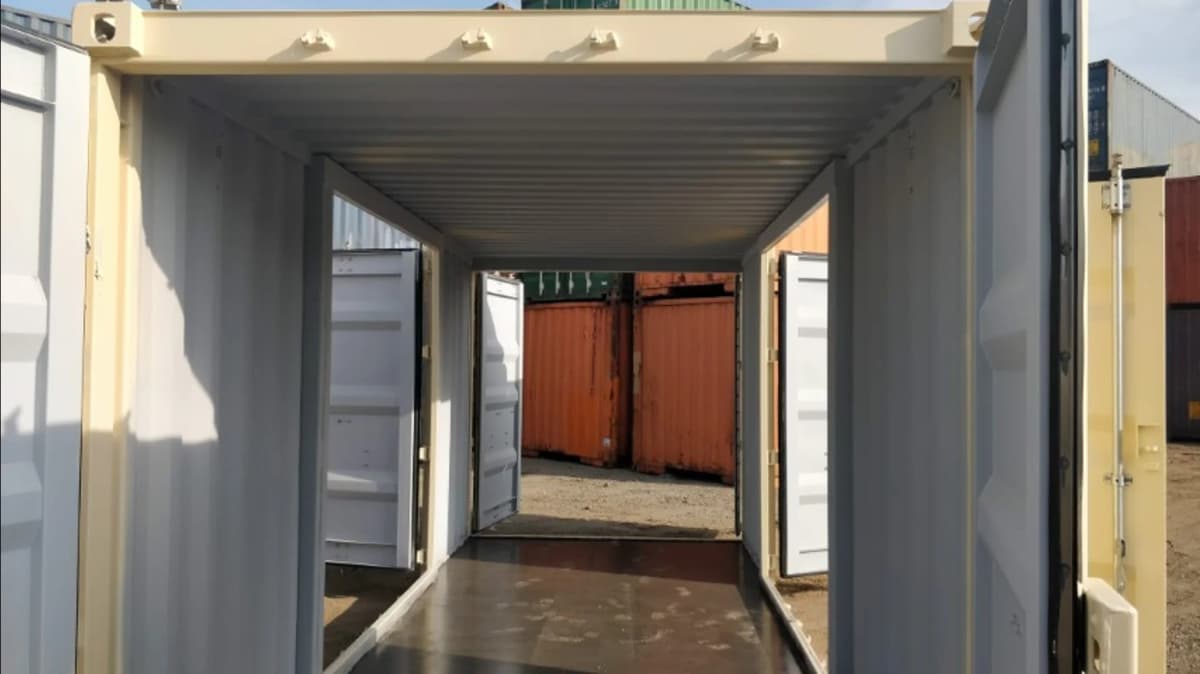
With professional guidance from our experts, you can meet all these requirements easily
- Determine Intended Use: Clearly define the intended use of the shipping container (e.g., storage, office space, or living quarters) - this will influence the type of permits required.
- Consult with Local Planning Departments: Engage with local planning departments early in the process to clarify any questions regarding zoning laws and permit requirements.
- Consider Modifications Carefully: If you plan to modify the shipping container (e.g., adding windows or doors), check that these modifications comply with local building codes.
- Engage Professionals When Necessary: If complying with zoning laws and building codes feels overwhelming, consider working with professionals like us who have experience with shipping container projects in Arkansas. We can help you maintain compliance and speed up the process of obtaining a permit.
- Document Everything: Keep thorough records of all communications with local authorities, applications submitted, and permits obtained if any disputes arise regarding compliance or usage.
Choose Conexwest For Your Shipping Container Needs
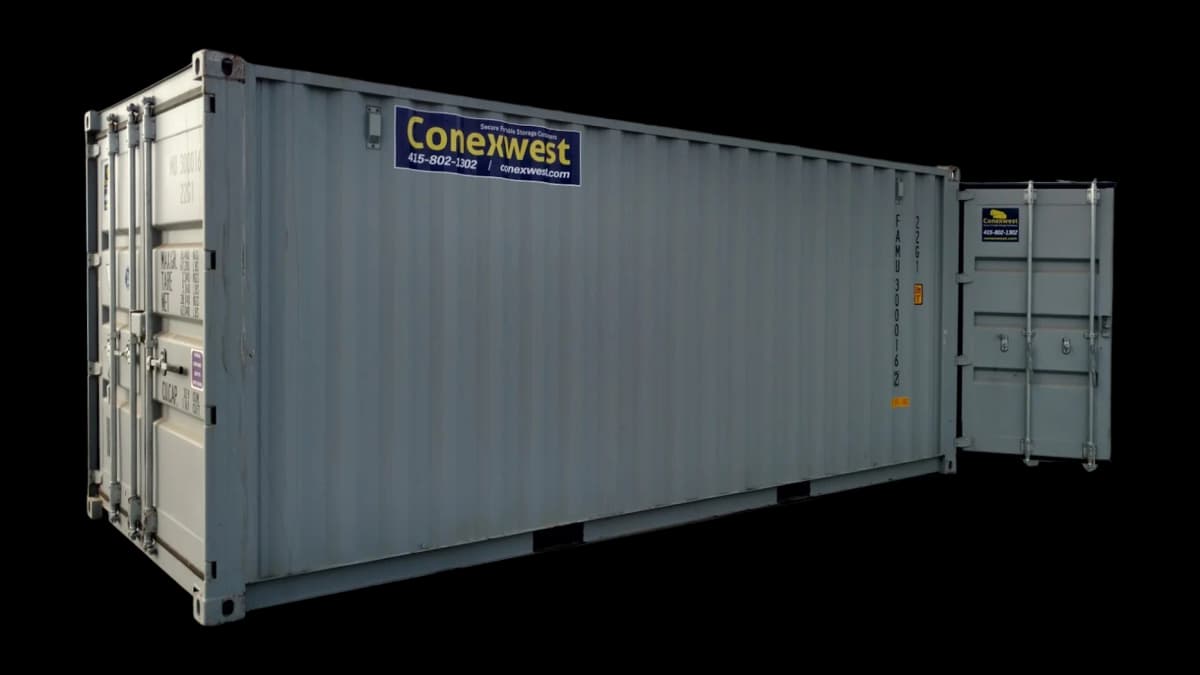
Conexwest has shipping containers with sizes ranging from 10ft to 45ft.
When looking to fulfill your shipping container needs, choosing us is a decision you won't regret. Here’s why:
1. Extensive Inventory and Customization Options
We provide a wide range of shipping containers in various sizes and conditions, including new, used, and refurbished options. Our inventory includes:
- Standard Containers: Available in sizes from 10 to 45 feet.
- Specialty Containers: Such as refrigerated units, mobile office containers, open top, flat rack, and side-opening.
We can also customize your container with options like doors, windows, shelving, HVAC, insulation, and much more.
2. Expertise in Local Regulations
Our knowledgeable team is well-versed in the local zoning laws, permitting processes, and building codes applicable to shipping containers in Arkansas. Thus, we will also help you speed up these formalities so you can use your container peacefully.
3. Quality Assurance
All our containers are built to withstand harsh conditions and are backed by warranties - 10 years for new containers and 5 years for used cargo-worthy containers. So, you can trust our products to perform reliably for a long time.
4. Comprehensive Support
From the moment you contact us until your container is delivered and beyond, our customer service team is here to support you every step of the way. We provide:
- Transparent Pricing: No hidden fees - what you see is what you get.
- Expert Guidance: Our experienced staff is available to answer any questions and provide recommendations based on your needs.
Get a quote
