
Yes. Shipping containers can be converted into swimming or plunge pools, but they require structural planning, waterproofing, filtration, plumbing, electrical work, and proper site preparation before use.
Shipping Container Swimming Pools
Shipping containers have been transformed into offices, cafés, workshops, retail spaces, and even homes. Another application that continues to attract attention is the shipping container swimming pool.
With their long, narrow shape and durable steel structure, shipping containers can provide a starting point for compact residential pools, plunge pools, hospitality amenities, and specialty recreational installations.
But turning a shipping container into a swimming pool involves much more than filling a steel box with water. A successful container pool requires structural planning, waterproofing, filtration, plumbing, electrical work, safe access, and proper site preparation.
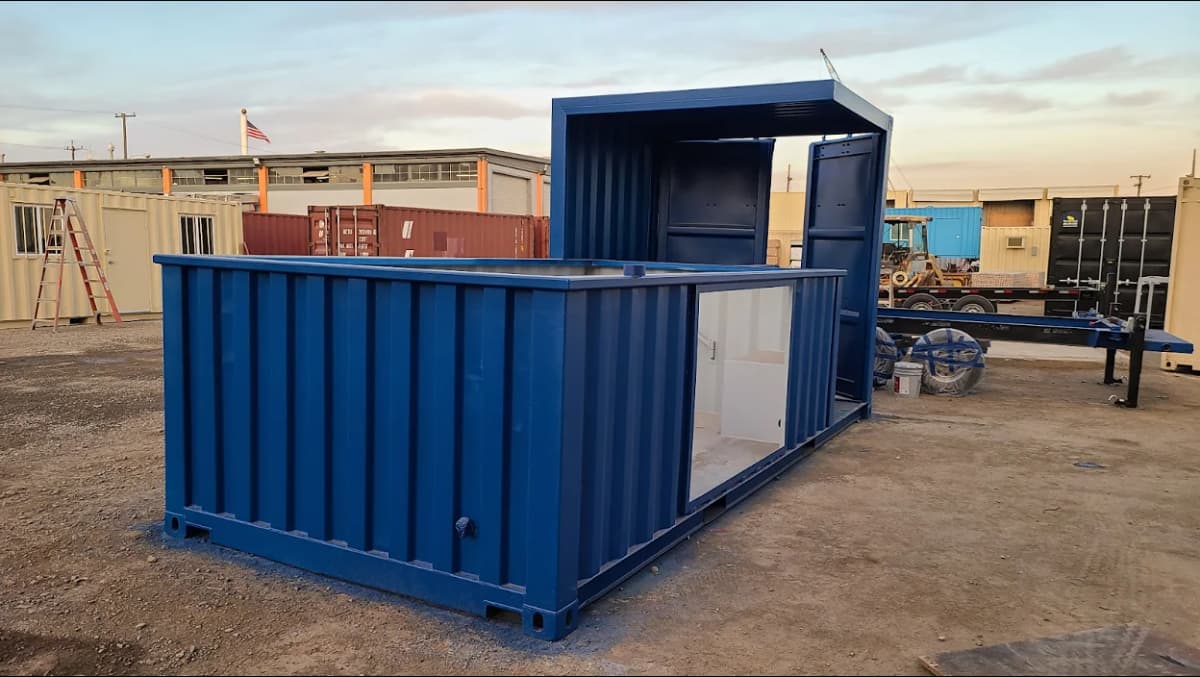
What Is a Shipping Container Pool?
A shipping container pool is a modified container that has been engineered and finished to hold water and operate as a swimming or plunge pool.
Most designs begin with a 20ft or 40ft shipping container, depending on the available space and intended use.
The container can then be customized with features such as:
- Interior waterproofing or a pool liner
- Structural reinforcement
- Pool filtration and circulation systems
- Plumbing and drainage
- Pumps and equipment compartments
- Entry steps or ladders
- Windows or viewing panels
- Deck connections
- Heating systems
- Lighting
- Custom exterior paint and finishes
The finished design can range from a simple plunge pool to a larger installation incorporated into a deck, patio, hospitality property, or outdoor entertainment space.
20ft vs. 40ft Shipping Container Pools
The right container size depends largely on the available site and how the pool will be used.
| Container Size | Best For | Key Advantage |
|---|---|---|
| 20ft Container | Plunge pools, smaller backyards, wellness spaces, compact hospitality projects | Smaller footprint and easier placement where space is limited |
| 40ft Container | Residential pools, hotels, resorts, clubs, and larger recreation areas | More swimming length and interior volume |
A 20ft shipping container can work well for a compact plunge pool or smaller outdoor space, while a 40ft container provides considerably more length for projects where swimming space is a priority.
High cube containers can also provide additional vertical space when the design requires it.
Why Use a Shipping Container for a Pool?
The appeal of a container pool comes largely from its modular structure. Unlike a conventional in-ground pool that is formed almost entirely on site, much of a container pool can potentially be fabricated before it reaches its final location.
Factory-Based Fabrication
Openings, reinforcement, equipment mounts, exterior paint, and other shipping container modifications can be completed in a controlled fabrication environment before delivery.
Defined Footprint
Shipping containers have standardized dimensions, making it easier to understand approximately how much physical space the pool structure will occupy early in the planning process.
Distinctive Design
The recognizable shape of a shipping container can become part of the finished architectural design rather than something that needs to be hidden. Containers can be incorporated into decks, patios, landscaping, hospitality spaces, and modern residential designs.
Flexible Installation Concepts
Depending on engineering and local requirements, a container pool may be designed above ground, partially recessed, or incorporated into a larger deck structure.

A Shipping Container Still Needs Structural Planning
One of the biggest misconceptions about shipping container pools is that a standard container can simply be filled with water.
Water is extremely heavy, and a container holding thousands of gallons is subjected to loads that are very different from those encountered during normal cargo transportation.
The sidewalls, floor, openings, and supporting structure therefore need to be evaluated for the intended pool design.
Structural reinforcement may be required depending on:
- Pool depth
- Container size
- Wall openings
- Viewing windows
- Equipment placement
- Foundation conditions
- Above-ground or recessed installation
- Deck connections
- Local structural requirements
Large viewing windows or other wall cutouts require particular attention because removing portions of the corrugated steel wall changes how the container carries loads.
Projects requiring extensive structural work may also involve custom container fabrication around the final design.
Waterproofing Is Critical
Shipping containers are designed to keep weather out. They are not originally designed to function as swimming pools.
A pool conversion therefore requires a dedicated waterproofing system. Depending on the design, this could involve a specialized liner, coating system, fabricated interior shell, or another waterproof assembly.
The waterproofing system also needs to work with drains, plumbing penetrations, pool equipment, and the container structure itself.
Corrosion protection is another important consideration because moisture, pool chemicals, and outdoor exposure can affect steel over time.
Filtration, Plumbing, and Electrical Systems
Like a conventional swimming pool, a container pool needs systems that keep the water circulating and sanitary.
A complete design may require:
- Circulation pumps
- Filters
- Skimmers
- Returns
- Drainage
- Plumbing
- Water-treatment equipment
- Heating
- Electrical connections
- Pool lighting
- Equipment access
The equipment can sometimes be incorporated into a dedicated section of the container or installed in a separate equipment area nearby.
Planning these systems before fabrication helps reduce unnecessary changes after the container reaches the site.
What About Windows?
One of the most visually striking shipping container pool modifications is a large glass or acrylic viewing panel.
A viewing window can transform the appearance of the pool and make the container structure part of the design.
However, creating a large wall opening also removes part of the container's original structure. The opening therefore needs to be designed around both structural reinforcement and water pressure.
This is one modification where engineering and fabrication need to work together from the beginning.

Site Preparation Still Matters
A container pool may arrive largely fabricated, but the installation site still needs to be prepared properly.
Depending on the project, site work can include:
- Foundation or structural support
- Leveling
- Drainage
- Utility connections
- Electrical service
- Plumbing
- Deck construction
- Equipment access
- Crane or delivery access
A filled container pool represents a significant amount of weight, so the supporting surface must be designed accordingly.
The exact requirements depend on the pool design, installation method, and local site conditions.
Can Shipping Container Pools Be Moved?
Shipping containers are inherently transportable, but a finished container pool should not be thought of as something that can simply be picked up and moved while full.
The pool needs to be drained and prepared for transportation, and any connected decks, utilities, plumbing, or equipment must also be considered.
How easily a finished pool can be relocated depends heavily on the design. If future relocation is important, that requirement should be planned from the beginning.
Do Shipping Container Pools Need Permits?
In many jurisdictions, swimming pools are regulated structures.
Requirements vary by location and may address:
- Building permits
- Structural engineering
- Electrical work
- Plumbing
- Pool barriers and fencing
- Property setbacks
- Drainage
- Foundations
- Safety requirements
- Accessibility for commercial installations
Before purchasing or modifying a container, property owners should confirm requirements with their local building department and other applicable authorities.
Where Can Container Pools Be Used?
Container pools are not limited to residential backyards. Depending on the design and local approvals, they may work for:
- Private residences
- Hotels and resorts
- Vacation rentals
- Clubs
- Wellness facilities
- Outdoor recreation areas
- Hospitality developments
- Event and entertainment properties
Their compact footprint can be particularly useful where designers want to incorporate a pool into a larger modular or container-based development.
Can Conexwest Modify a Container for a Pool Project?
Conexwest specializes in custom shipping container fabrication and container modifications.
Depending on the project scope, a container can be prepared with structural openings, reinforcement, doors, windows, equipment penetrations, custom paint, and other modifications needed to support a specialized build.
A pool project should begin with a clear understanding of the final design, engineering requirements, installation site, utilities, waterproofing system, pool equipment, and local regulations.
A shipping container provides the shell. The engineering, fabrication, waterproofing, equipment, and site design are what turn that structure into a functional swimming pool.
Planning a Custom Shipping Container Project?
Whether you are exploring a shipping container pool, commercial space, mobile office, retail unit, equipment enclosure, or another specialized application, Conexwest can customize a container around your project requirements.
Explore our shipping containers for sale, learn more about shipping container modifications, or see what is possible with custom container fabrication.
Was this helpful?
Frequently Asked Questions
Both 20ft and 40ft containers can be used. A 20ft container is better for compact plunge pools, while a 40ft container provides more swimming length for larger residential or hospitality projects.
Often, yes. Water creates significant loads, and large openings such as viewing windows can weaken the original container structure. Reinforcement requirements depend on the pool design, openings, foundation, and installation method.
In many locations, yes. Requirements may include building, structural, electrical, plumbing, fencing, setback, drainage, and safety approvals. Local requirements should be confirmed before construction.
It can be relocatable depending on the design, but the pool must be drained and disconnected from utilities, decks, plumbing, and other site connections before transport.
Yes. Conexwest can provide custom container fabrication and modifications such as structural openings, reinforcement, windows, equipment penetrations, custom paint, and other features needed to support a specialized pool build.