


Can You Build a Container Home in North Carolina?
Shop nowNorth Carolina Container Home Zoning Laws, Costs & Floor Plans
Shipping container homes can be built in North Carolina when the project meets local zoning rules, state building code requirements, utility standards, foundation requirements, and inspection procedures. The biggest challenge is that approval depends heavily on the exact property, city or county, zoning district, design, and whether the container home is site-built, modular, or part of an accessory dwelling unit concept.
A container home is not treated like a simple storage container once it becomes a residence. It may require architectural plans, structural engineering, insulation, plumbing, electrical, HVAC, foundation design, energy-code review, local permits, and a certificate of occupancy before it can be used as a dwelling.
This guide explains North Carolina container home zoning, costs, floor plan ideas, permitting considerations, and how Conexwest can help with container selection, fabrication options, and delivery planning.
Key Takeaways
- North Carolina container homes must meet applicable state building code requirements and local zoning rules before they can be used as residences.
- Total cost depends on container size, land, permits, foundation, engineering, insulation, utilities, labor, finishes, and local requirements.
- Rural counties may offer more flexibility, while urban areas, subdivisions, and HOA communities may have stricter design or placement rules.
- Popular floor plans include studio layouts, single-bedroom homes, multi-container family homes, and custom designs with outdoor living space.
- Conexwest supplies shipping containers and offers fabrication options for doors, windows, insulation, electrical, HVAC, shelving, and custom container projects.
Why Container Homes Are Gaining Traction in North Carolina
Container homes continue to attract interest in North Carolina because they offer a modular starting point for custom housing, backyard units, rural retreats, small homes, and modern multi-container designs. They can work especially well for buyers who want a compact footprint, durable steel structure, and flexible design options.
However, container homes are not automatically cheaper, faster, or easier than traditional construction. Once a container becomes a home, the project must address structural reinforcement, insulation, condensation control, foundations, utilities, local zoning, inspections, and finished living standards.
For homeowners who want the look and flexibility of container construction, the best results usually come from simple layouts, realistic budgets, strong insulation, careful site selection, and early conversations with local officials and qualified design professionals.
Conexwest offers new, used, and refurbished shipping containers in sizes from 10ft to 45ft, including standard containers, high cube containers, insulated containers, refrigerated containers, mobile office containers, and custom modified containers. Customers can explore sales, rentals, fabrication, repair, and delivery options for storage, jobsite, office, residential concepts, and specialty applications. |
Understanding North Carolina Zoning Laws & Building Codes
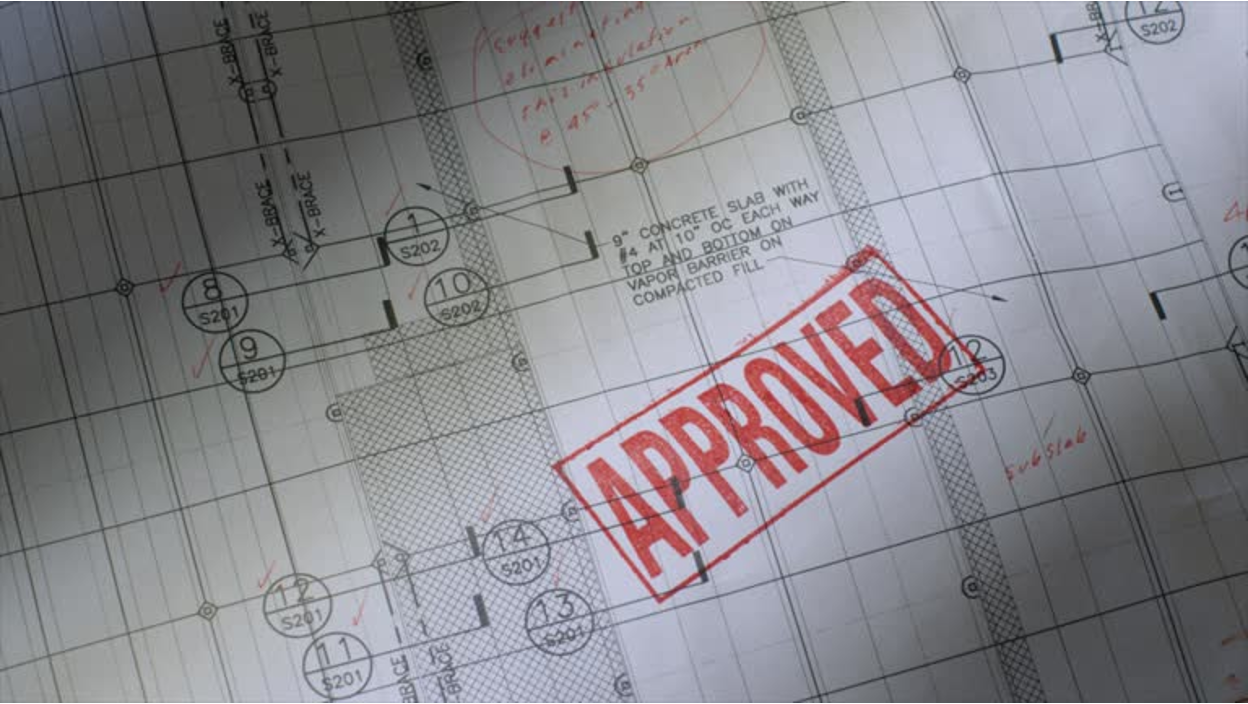
Getting a container home approved in North Carolina requires review of both state building code requirements and local zoning regulations.
State-Level Building Requirements
North Carolina uses a state building code framework administered through the state code process. The North Carolina Office of State Fire Marshal lists the currently effective NC Codes and provides resources for residential, building, energy, electrical, plumbing, and mechanical requirements.
If a shipping container is converted into a dwelling, it generally needs to meet the same core safety expectations as other homes. That can include structural design, foundation requirements, fire safety, insulation, energy efficiency, egress, electrical systems, plumbing, mechanical systems, and inspections.
- State building code compliance: A residential container home must comply with applicable building, residential, energy, mechanical, plumbing, and electrical requirements.
- Modular or site-built path: If the container home is built or inspected as a modular unit, North Carolina modular building rules and approvals may apply. Site-built projects are typically reviewed locally through the building permit process.
- Insulation and energy standards: Steel transfers heat and cold quickly, so insulation, air sealing, ventilation, and condensation control must be planned carefully.
Local Zoning
While state code establishes construction standards, local governments control land use. A container home that may be possible in one county or town could be restricted in another because of zoning, minimum dwelling size, exterior design rules, accessory dwelling unit standards, setbacks, or HOA restrictions.
- Urban vs. rural areas: Rural properties may offer more flexibility for alternative housing, while urban and suburban locations may require more design review, utility coordination, and neighborhood compatibility.
- Zoning verification: Before buying land or ordering a container, ask the local planning department about residential use, setbacks, minimum square footage, height limits, exterior materials, ADU rules, and whether container-based structures are allowed.
- HOA restrictions: Many planned communities and subdivisions restrict exterior materials, accessory structures, non-traditional homes, or visible metal structures. Review HOA covenants before moving forward.
Permitting Process
The approval process can vary by location and project type. A container home may require zoning confirmation, site plan review, building permit application, foundation approval, utility permits, inspections, and a certificate of occupancy.
Timelines vary. A simple rural project may move more quickly than a custom multi-container home in a city, subdivision, hillside site, flood-prone area, or HOA community.
Read More: North Carolina Shipping Container Zoning Law, Permit & Building Code Guide
What Does a Container Home Cost in North Carolina?
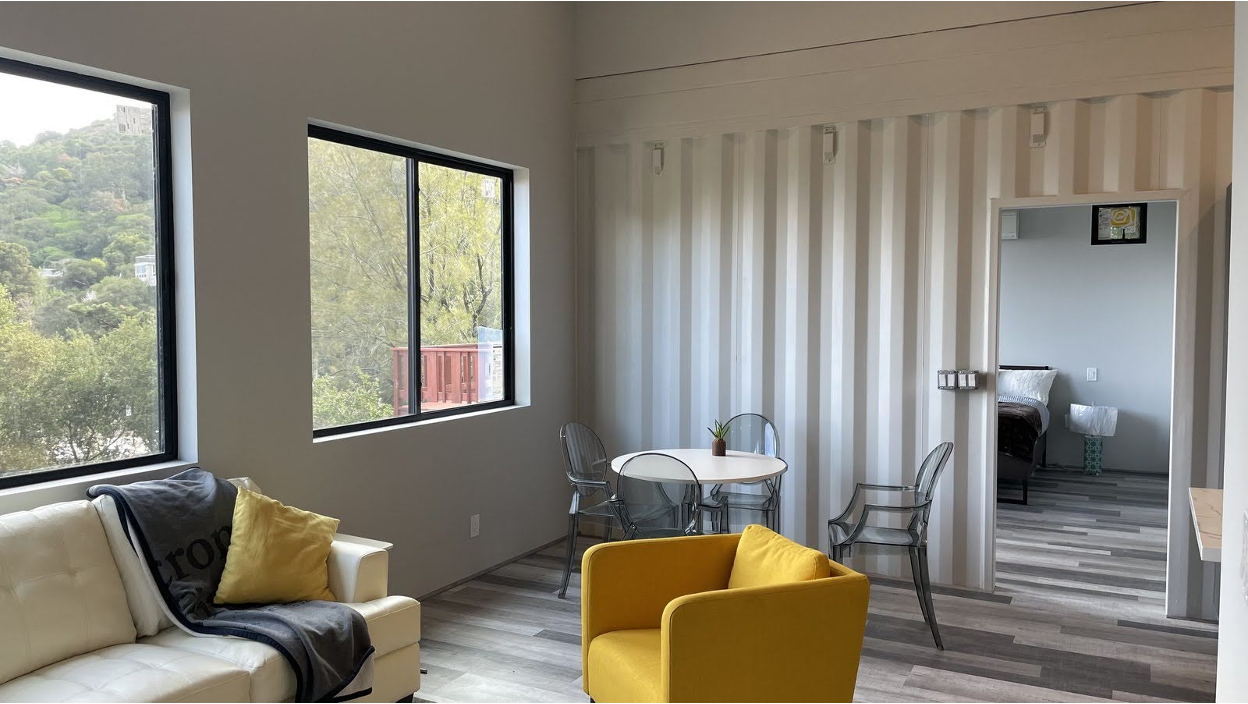
Modern container homes can range from compact studios to large custom multi-container homes, with cost depending on site, design, and finish level.
Container homes may offer savings in some cases, but they are not “cheap by default.” The container shell is only one cost category. The final project must include design, engineering, foundation, insulation, doors, windows, utilities, HVAC, interior finishes, exterior finishes, delivery, permits, and inspections.
Price Ranges by Size
- Tiny and studio homes: A single-container or small-footprint layout can work for ADUs, guest houses, offices, cabins, or minimalist primary residences.
- Family-sized homes: Two- to three-container builds may support 2–3 bedrooms, a kitchen, living area, bathrooms, storage, and outdoor space.
- Custom and luxury designs: Larger multi-container homes can include high-end finishes, rooftop decks, large glass openings, offices, multiple bedrooms, and custom architectural details.
Breaking Down the Costs
Understanding where costs come from helps prevent budget surprises:
- Container purchase: Pricing depends on size, condition, location, and availability. Explore Conexwest shipping containers for sale for current options.
- Land preparation: Clearing, grading, driveway access, drainage, and utility routes can affect project cost.
- Foundation: Foundation type depends on soil, slope, frost depth, drainage, container layout, and local code.
- Engineering and architecture: Large openings, stacked containers, structural connections, and residential layouts may require professional design.
- Labor: Contractors, electricians, plumbers, HVAC professionals, welders, insulation installers, and finish crews can represent a major portion of the budget.
- Insulation and moisture control: Insulation is essential because steel conducts heat and cold. Moisture and condensation control are also important.
- Utilities: Electrical, plumbing, HVAC, septic, sewer, water, internet, and solar power can add significant cost.
- Interior finishes: Flooring, walls, ceilings, cabinetry, fixtures, appliances, bathrooms, and kitchens vary widely by finish level.
- Permits and inspections: Costs vary by jurisdiction, project size, review type, and required inspections.
These costs are general planning categories only. Actual pricing depends on location, container availability, labor, materials, site conditions, local rules, and design complexity.
Popular Container Home Floor Plans for North Carolina
Studio and Tiny Layouts
Studio layouts work well for ADUs, guest suites, backyard offices, rental units, or minimalist homes. These floor plans usually combine sleeping, living, and kitchen areas into one open space with a compact bathroom and built-in storage.
Single-Bedroom Homes
A one-bedroom container home can create more privacy by separating the bedroom from the living area. This layout can work for couples, retirees, rural cabins, guest houses, or small vacation properties.
Family-Friendly Multi-Container Designs
By joining two or more containers, homeowners can create larger layouts with separate bedrooms, open living areas, kitchens, multiple bathrooms, and flexible workspace. Common configurations include side-by-side containers, stacked two-story layouts, L-shaped plans, and courtyard-style layouts.
For kitchen planning, see Conexwest’s guide to shipping container kitchenettes.
Custom and Luxury Container Homes
Custom designs can combine multiple containers with conventional framing, large glass openings, covered porches, rooftop decks, offices, guest suites, and high-end finishes. These projects require more design, engineering, and budget planning but can create a distinctive modern home.
Planning Tips Before Building in North Carolina
- Check zoning before buying land: Confirm residential use, setbacks, minimum dwelling size, ADU rules, exterior material standards, and HOA restrictions.
- Decide site-built vs. modular path early: The approval process may differ depending on whether the home is built on-site or treated as a modular building.
- Plan insulation and ventilation: North Carolina’s humid summers and seasonal temperature changes require good insulation, airflow, and moisture control.
- Use high cube containers where possible: Extra height can make finished interiors more comfortable after insulation, ceiling finishes, and HVAC are installed.
- Keep structural cuts realistic: Large openings for windows, doors, and open-plan interiors may require reinforcement.
- Budget beyond the container: Foundation, delivery, utilities, labor, insulation, interiors, engineering, permits, and site work can cost more than the container itself.
Choose Conexwest for Your North Carolina Container Home
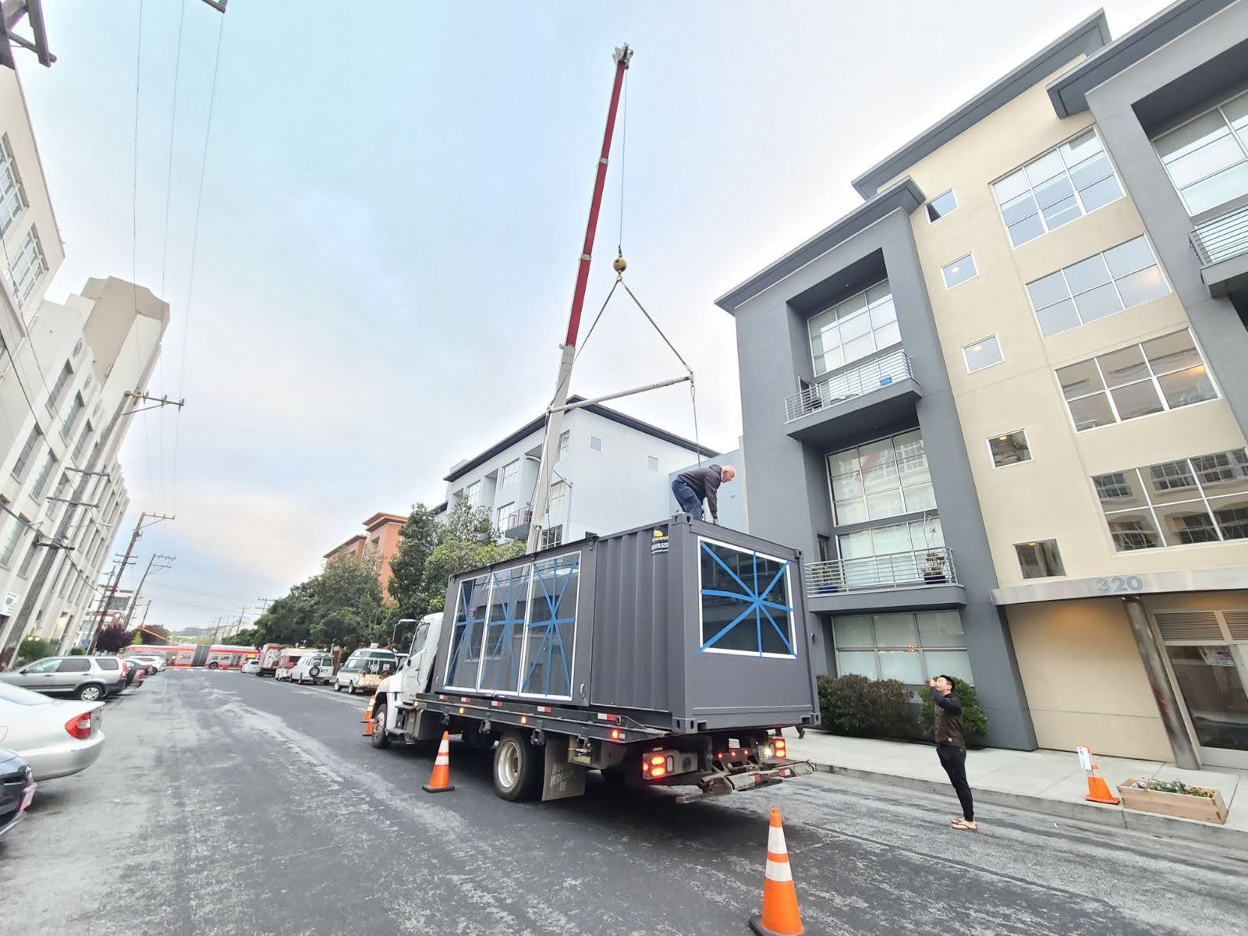
Conexwest can supply containers, modification options, and delivery planning support for North Carolina container home concepts and custom projects.
With experience serving customers nationwide, Conexwest offers multiple container sizes and conditions for residential concepts, jobsite use, storage, offices, and specialty projects.
Customers can explore container options such as 20ft units, 40ft containers, and 40ft high cube containers depending on layout and project needs.
Container fabrication services can support modifications such as window cuts, additional doors, insulation, electrical, HVAC, shelving, vents, and custom finishes. For residential projects, customers should also work with licensed architects, engineers, contractors, electricians, plumbers, and local permit offices.
From compact ADU concepts to family-sized multi-container homes, Conexwest can help with container selection, customization options, and delivery planning.
Frequently Asked Questions (FAQs)
- Are container homes legal in all parts of North Carolina?
Container homes may be possible in North Carolina when they meet state building code requirements and local zoning rules, but approval varies by location. Rural counties may offer more flexibility, while urban areas, subdivisions, and HOA communities may have restrictions.
- How long does it take to build a container home in North Carolina?
Timelines vary based on design, permits, engineering, site preparation, foundation work, container modifications, inspections, and contractor availability. A simple project may move faster than a custom multi-container home.
- Can I get a mortgage for a container home?
Financing may be possible, especially when the container home is permanently affixed to land, permitted, inspected, and treated as real property. Lender requirements vary, so work with lenders familiar with modular, alternative, or custom construction.
- Do container homes hold their value in North Carolina?
Resale depends on location, build quality, code compliance, permanent foundation, utility connections, appraisals, financing options, and buyer demand. Permitted, well-designed homes are generally easier to finance and sell than unpermitted projects.
- How can Conexwest help with a North Carolina container home project?
Conexwest supplies shipping containers in various sizes and conditions and offers fabrication options such as window and door installation, insulation, electrical, HVAC, and custom finishes. Conexwest can also help with delivery planning.